
Hearing you need surgery for colon cancer can feel very scary. You might worry about a long hospital stay. You might fear a hard recovery. I completely understand.
As your colorectal surgeon, I want to share some good news. Surgery today is much different than it used to be. We have amazing tools that make surgery safe and much easier on your body.
Let us talk about how modern surgery helps you heal quickly.
What is Robotic Colorectal Surgery?
When people hear the word “robot,” they worry. They think a machine will operate on them. That is not true at all.
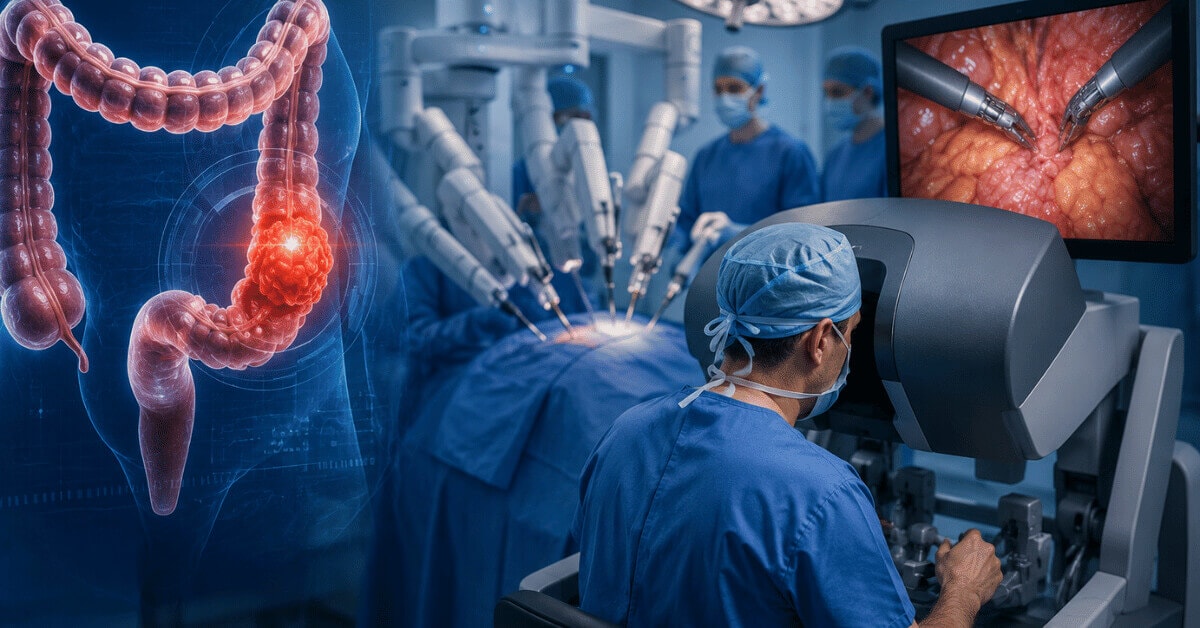
The surgeon places a tiny camera and fine tools through these small openings. The robotic system gives a clear, magnified view. It also helps the surgeon move with fine control.
The robot does not do the surgery by itself.
Your surgeon controls every movement.
I am in full control at all times. I use an advanced robotic system. It acts like a smart extension of my hands. I sit at a console and guide tiny tools.
We call this minimally invasive surgery. This means I use very small cuts instead of one large opening.
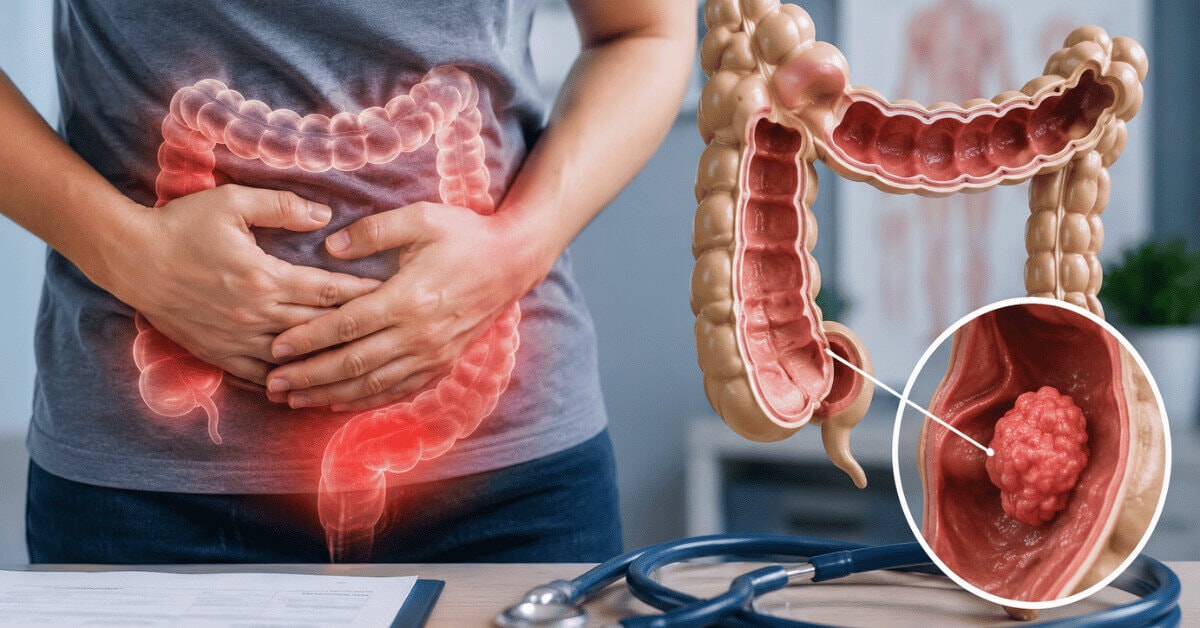
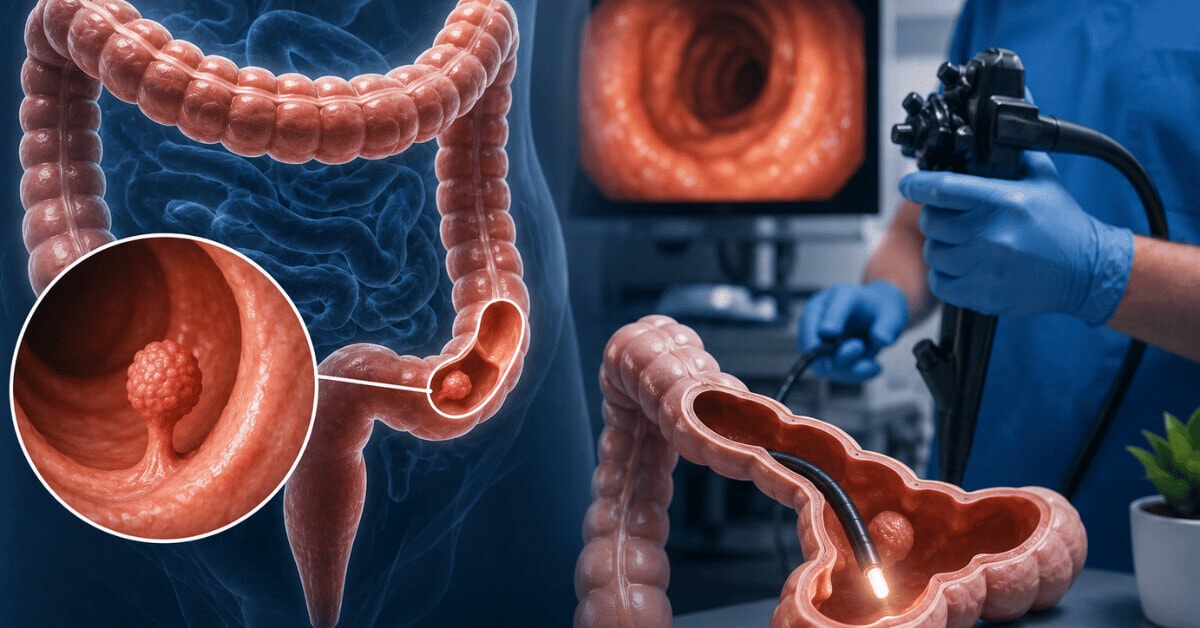
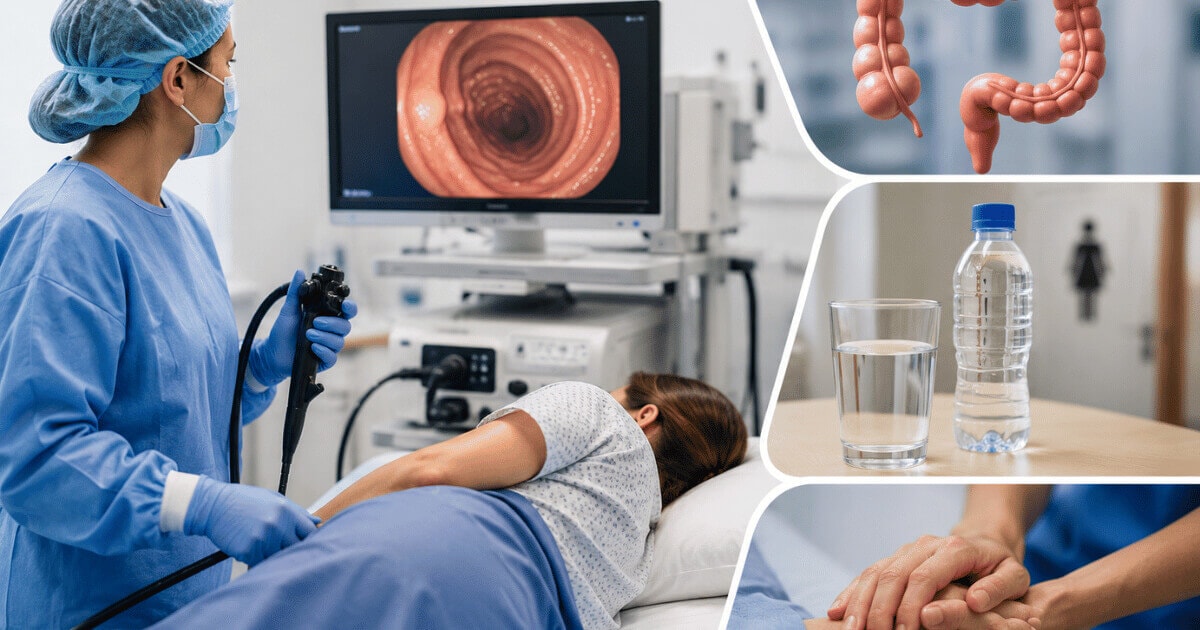
Before surgery, we might do a colonoscopy. This is a gentle test using a tiny camera on a flexible tube. We look inside your colon. We might find a polyp (a small bump of extra cells). We might also find an adenoma (a precancerous growth). Knowing exactly where the problem is helps me plan a perfect surgery.
Why Robotic Surgery May Help Some Colon Cancer Patients
Robotic surgery may help selected patients by reducing trauma to the body.
Possible benefits may include:
- Smaller incisions
- Less pain after surgery
- Less blood loss
- Shorter hospital stay
- Faster return to daily activity
- Smaller scars
- Lower risk of some wound problems
These benefits are not the same for every patient. Your results depend on your cancer stage, overall health, body anatomy, prior surgery, and recovery plan.
The American Society of Colon and Rectal Surgeons states that when the surgeon has the right expertise, a minimally invasive approach is preferred for many elective colon cancer surgeries. Some patients still need open surgery for safety reasons.
The Benefits of Robotic Surgery for Colon Cancer
Why do I use the robot? It offers amazing benefits for you. Here is how it helps your body:
- Smaller Incisions: I make cuts that are usually less than one inch long. This is much gentler than traditional open surgery.
- Less Pain: Smaller cuts mean less pain after surgery. You will feel much more comfortable as you heal.
- Faster Recovery: You get to go home sooner. You get back to your normal life much faster.
- Perfect Precision: The robot gives me a 3D, high-definition view. I can see tiny nerves and blood vessels clearly. This helps me protect your healthy tissue.
- Protecting Normal Function: The robot helps me perform sphincter-saving surgery. This means I safely remove the disease while keeping your normal bathroom habits intact.
What Happens During Robotic Colon Cancer Surgery?
Your surgery depends on where the cancer sits in the colon.
Right Colectomy
A right colectomy removes the right side of the colon.
This may treat cancers in the cecum or ascending colon.
Left Colectomy
A left colectomy removes part of the left colon.
This may treat cancers in the descending colon.
Sigmoid Colectomy
A sigmoid colectomy removes the sigmoid colon.
The sigmoid colon sits near the lower left abdomen, close to the rectum.
Lymph Node Removal
We remove nearby lymph nodes during colon cancer surgery.
This helps us stage the cancer. Staging tells us how far the cancer has spread. The lymph node results also help your cancer team decide if you need chemotherapy.
Who May Be a Good Candidate for Robotic Colon Surgery?
You may be a candidate if:
- Your cancer location fits a robotic approach
- Your cancer has not widely invaded nearby organs
- Your body can tolerate anesthesia
- Your prior surgery history allows safe access
- Your surgeon has robotic colorectal experience
- Your overall health supports minimally invasive surgery
Robotic-assisted surgery may be used for selected colorectal cancer patients, but the decision depends on cancer stage, tumor location, patient health, and surgeon experience.
What Recovery May Look Like
Recovery is different for every person.
Many patients walk soon after surgery. Walking helps reduce blood clot risk. It also helps the bowel wake up.
You may start with liquids. Then your diet slowly advances.
Recovery Often Focuses On:
- Pain control
- Early walking
- Breathing exercises
- Bowel function
- Safe diet changes
- Incision care
- Avoiding heavy lifting
- Follow-up visits
Minimally invasive and robotic techniques may help some patients have shorter hospital stays and smoother recovery compared with larger-incision surgery, when clinically appropriate.
Frequently Asked Questions About Robotic Colon Surgery
It is very normal to have questions before surgery. Here are the answers to the most common questions my patients ask:
1. Will a robot actually perform my surgery?
No. I control the robot the entire time. The robotic arms only move when I move my hands. It is simply a tool I use to operate with extreme exactness.
2. Is robotic surgery safe for colon cancer?
Yes, it is very safe. Medical studies show robotic colorectal surgery removes the cancer just as well as open surgery. Plus, it offers a much easier recovery for your body.
3. Will I have a large scar after robotic surgery?
No, you will not. We use tiny cuts that are very small. Because the cuts are tiny, your scars will fade well over time.
4. How long will I stay in the hospital?
Every patient heals differently. But most patients leave the hospital in just a few days. This is much faster than traditional open surgery.
5. Is robotic surgery more painful?
No, most patients feel much less pain. Because the cuts are so small, your muscles heal much faster. You will likely need far less pain medicine.
6. Am I a good candidate for robotic colon surgery?
Many patients are great candidates. However, it depends on your specific medical history, tumor size, and previous surgeries. I will review your exact condition to see if this is the best choice for you.
7. Does robotic surgery help save natural bowel function?
Yes, it does. The robot gives me a deep, clear view into the pelvis. This helps me safely perform sphincter-saving surgery whenever clinically possible. This keeps your normal bathroom habits intact.
Final Message From Dr. Astha Bhatt
If you or a loved one has Colon Cancer, you deserve clear answers and careful care.
Robotic colon surgery may help selected patients recover with smaller incisions, less pain, and a faster return to daily life. But the main goal always stays the same: safe and complete cancer surgery.
Do not feel alone in this process.
A colorectal surgeon can review your diagnosis, explain your options, and guide you step by step.
Dr. Astha Bhatt, MD is a General Surgeon and colorectal surgeon with fellowship training in minimally invasive surgery focused on robotic colorectal surgery. She serves patients in Broward County and South Florida, including Fort Lauderdale, Pompano Beach, Coral Springs, Davie, Deerfield Beach, Plantation, Coconut Creek, and Weston. This article is for education only. It does not replace a personal medical exam, diagnosis, or treatment plan. Please see a qualified physician for medical care.