

Colon cancer does not always cause symptoms at first. That is one reason screening matters. But when symptoms do happen, you should not ignore them. Common symptoms include blood in the stool, changes in bowel habits, belly pain, unexplained weight loss, and fatigue.
5 Symptoms of Colon Cancer You Must Watch For
Your body gives you warning signs. Here are five symptoms you should not ignore:
- Blood in your stool. Seeing blood in the toilet can shock you. Sometimes it is just a simple issue. But it can also be an early sign of colon cancer. Always let a doctor check it.
- Changes in your bowel habits. Are you suddenly constipated? Do you have diarrhea that will not stop? Changes that last more than a few days need a medical look.
- Unexplained weight loss. Losing weight without trying might sound nice. But it can mean your body is fighting something serious.
- Constant stomach pain. Gas pain and cramps happen to everyone. But pain that stays for weeks is not normal.
- Belly Pain, Cramps, or Bloating Colon cancer can cause belly pain, cramps, gas, or bloating. These symptoms are common. They can come from many causes. But you should not ignore pain that keeps coming back or gets worse.
Extreme tiredness. We call this fatigue. If you feel weak all the time, your body might be losing blood slowly.
How We Find the Problem Early
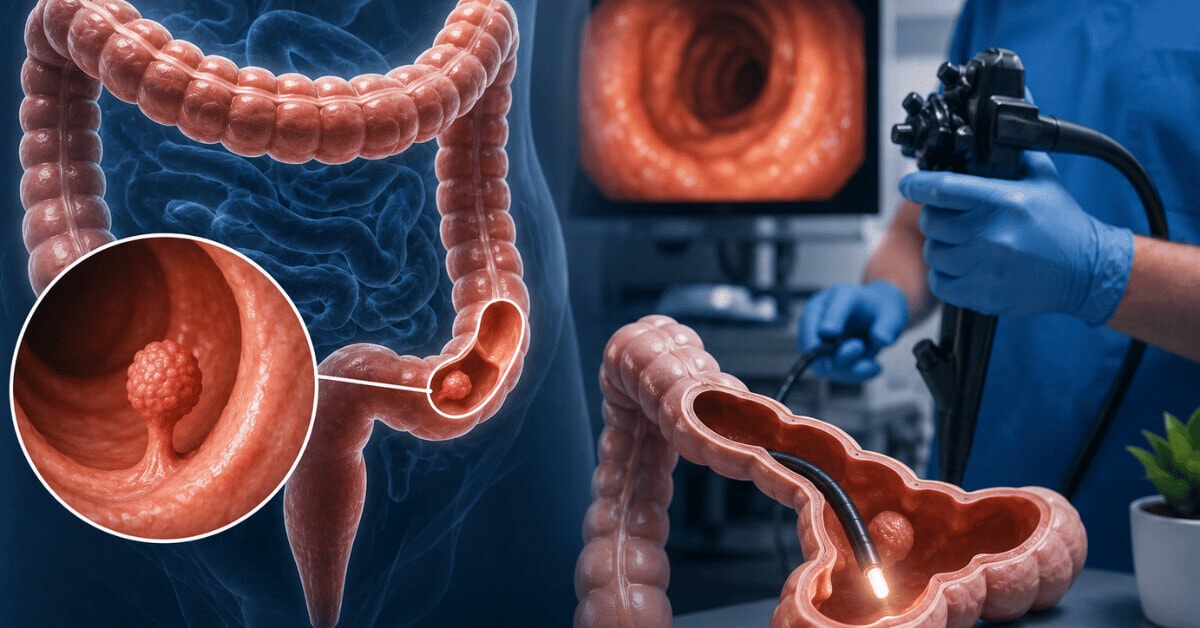
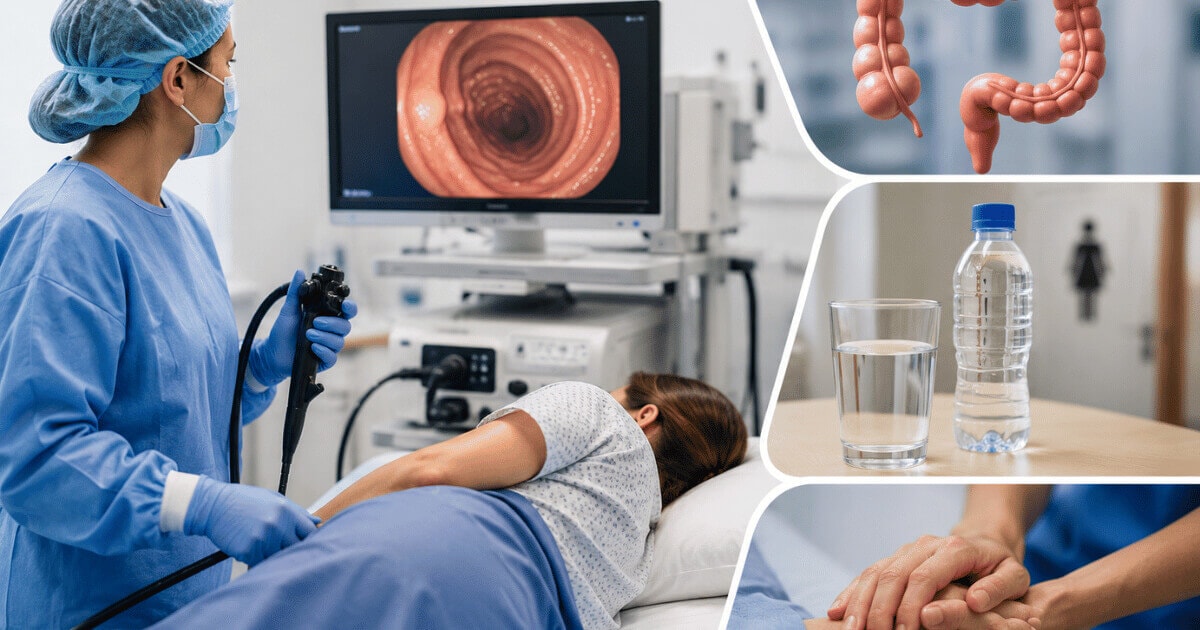
If you have these signs, you need to see a colon and rectal surgeon. I will listen to your symptoms. Then, I may suggest a colonoscopy. This is a safe test where we use a tiny camera to look inside your colon.
During this test, we look for polyps. Polyps are small growths on the lining of your colon. Sometimes we find adenomas. An adenoma is a specific type of precancerous growth. We remove these growths right away. This prevents colon cancer before it even starts.
When Should You See a Colorectal Surgeon?
You should see a colorectal surgeon if you have:
- Blood in or on your stool
- Rectal bleeding
- A major change in bowel habits
- Thin stools that persist
- New belly pain or bloating
- Unexplained weight loss
- Iron-deficiency anemia
- A family history of colon cancer
- A history of colon polyps
- Symptoms that do not improve
You should also seek care sooner if you are age 45 or older and have not had colon cancer screening. Routine screening often starts at age 45 for average-risk adults. Some patients need earlier screening, especially with family history or higher risk
Why Seeing a Colorectal Surgeon Matters
A colon and rectal surgeon has focused training in diseases of the colon, rectum, and anus.
This matters because symptoms can overlap.
Bleeding may come from hemorrhoids.
Pain may come from a fissure.
A bowel change may come from inflammation.
But sometimes, symptoms may point to a polyp, tumor, or cancer.
A colorectal surgeon can help you get the right diagnosis and the right plan.
How We Evaluate Colon Cancer Symptoms
Your visit starts with a calm conversation.
We talk about your symptoms, family history, medications, and past tests. Then we choose the right next step.
Common Evaluation Steps
Physical Exam
We may examine your abdomen and rectal area.
A rectal exam can help check for bleeding, masses, hemorrhoids, fissures, or other problems.
Blood Work
Blood tests can check for anemia or low iron.
Low iron can happen when the colon loses small amounts of blood over time.
Colonoscopy
A colonoscopy lets us see the inside of the colon.
If we find a polyp, we may remove it during the test. If we see a suspicious area, we take a biopsy. A biopsy means we take a tiny tissue sample and send it to the lab.
Imaging Tests
If cancer is found, we may order imaging tests, such as CT or MRI scans.
These tests help show whether cancer has spread and guide treatment.
Frequently Asked Questions About Colon Cancer Symptoms
When you notice changes in your body, you naturally have questions. Here are the answers to some common questions my patients ask me every day:
1. Can colon cancer cause bleeding only once?
Yes, it can. But many other harmless issues can cause bleeding too. Even one instance of blood in your stool deserves a quick check-up. This is very important if you are over 45 or have a family history. Let us take a look so you do not have to worry.
2. Can hemorrhoids and colon cancer have similar symptoms?
Yes, they can. Both issues can cause bleeding from your bottom. Because they look similar, you should never guess that it is just a hemorrhoid. A simple exam gives us the true answer. Let me find the exact cause so we can get you the right treatment.
3. Is colon cancer painful?
Not always. In the early stages, you might not feel any pain at all. Some patients only notice a tiny amount of blood, feel very tired, or see changes in how they go to the bathroom. This is why paying attention to subtle signs can save your life.
4. Do I need a colonoscopy if I have symptoms?
I often recommend one. A colonoscopy is a safe, gentle test where we use a small camera to look inside your colon. It is the best way to find the source of your symptoms. It also helps us find and remove polyps before they ever have a chance to turn into cancer.
5. Does colon cancer always require open surgery?
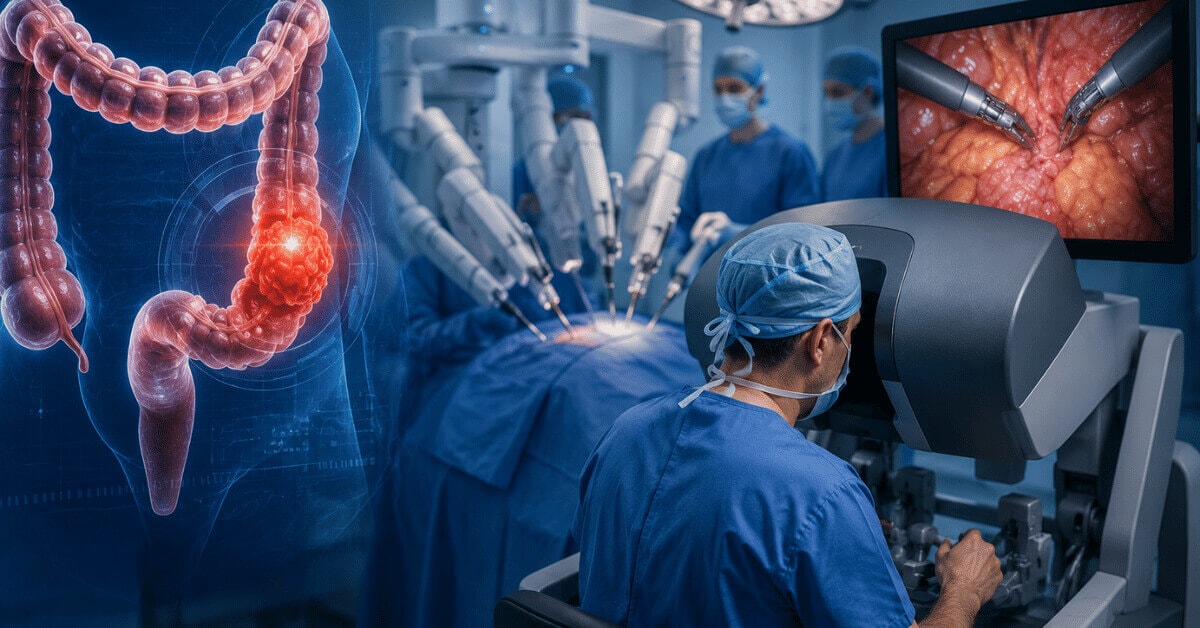
No, it does not. If you need surgery, I specialize in minimally invasive surgery. This includes laparoscopic surgery (using small camera tubes) and robotic methods. These modern tools allow me to use tiny cuts instead of one large one. For you, this means less pain and a much faster return to your normal life. We will always pick the safest option for your specific health needs.
When should I see a colorectal surgeon for colon cancer symptoms?
You should see a colorectal surgeon if you have rectal bleeding, blood in the stool, a lasting change in bowel habits, thin stools, unexplained weight loss, anemia, or ongoing belly pain.
A colorectal surgeon can evaluate the colon, rectum, and anus and help decide whether you need a colonoscopy, imaging, biopsy, or treatment.
Modern Treatments Offer Faster Recovery
If we do find an issue, please do not panic. We have amazing tools today to help you heal. I specialize in minimally invasive surgery. This means we operate using very tiny cuts instead of large ones.
I also use robotic colorectal surgery. A robotic system helps me work with perfect control. What does this mean for you? You feel less pain. You get to go home sooner. You heal faster.
For many patients, we offer sphincter-saving surgery. This means we safely remove the disease while keeping your natural bowel function. You can go back to living a normal, happy life.