
Many people ignore hemorrhoids until they feel severe pain. If you don’t want to see these days, you must be aware of the symptoms: difficulty urinating, pain, discomfort, non-stop itching, visible swelling, or bleeding that disrupts day-to-day activities. Often, the main trigger turns out pretty basic. It comes down to pushing too hard and passing stools that feel like rocks. This is exactly why what you eat matters in fixing the issue.
Doctors recommend increasing fiber intake immediately for everyone with hemorrhoids. The explanation is that fiber softens stool, regulates intestinal function, and reduces the burden on the irritated veins. Still, plenty of patients wonder if it actually works. They also question whether loading up on too much fiber could trigger hemorrhoids or turn the problem worse.
It goes beyond simply adding fiber to your plate. You have to bring it in a smart way. Also, just adding fiber without ample water intake does not help. At least 8 glasses of water, total about 1.5-2 L water is required throughout the day. Getting clear on how fiber helps relieve hemorrhoid symptoms often leads to real progress.
What Are Hemorrhoids?
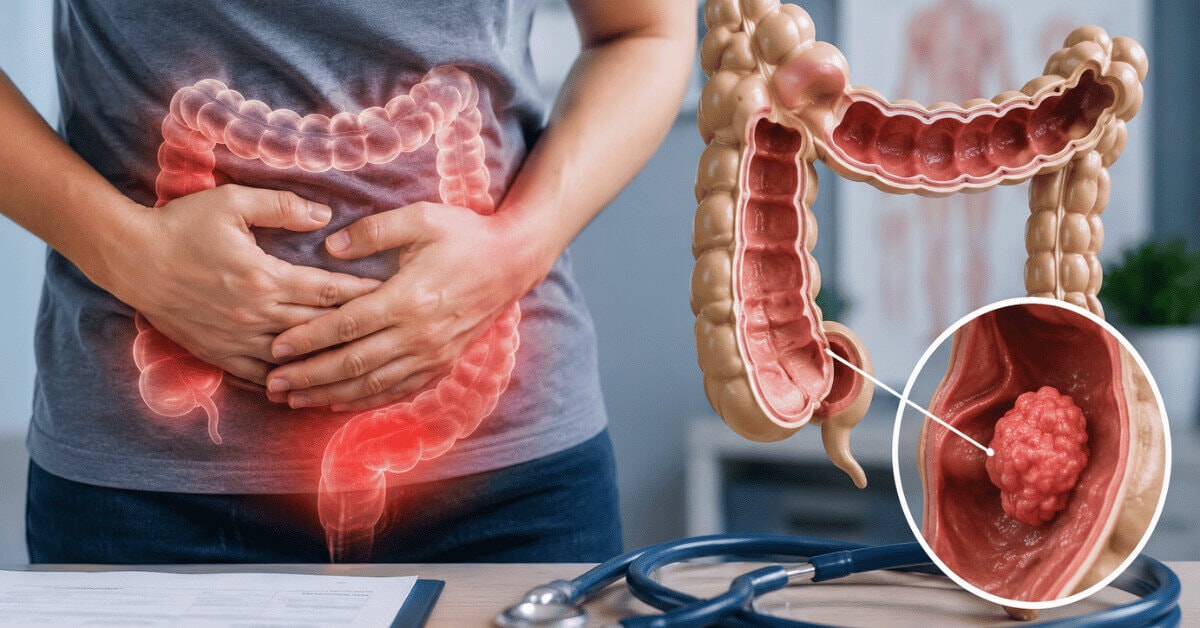
Hemorrhoids appear as swollen veins either within the circumference of the lower portion of the rectum or at the anal opening. There is added pressure during bathroom visits, usually a result of straining to have a BM or sitting for prolonged periods of time. Also lifting heavy weight regularly > 30lbs can make hemorrhoids more inflamed.
Common symptoms include:
- Pain during bowel movements
- Itching around the anus
- Swelling or lumps
- Bleeding during stool passing
- Discomfort while sitting
If not managed at the time, the issues get bigger and more worse over the years.
How Does Fiber Help with Hemorrhoids?
Fiber takes a direct hand in supporting good digestion. It does help expand the volume of stool and also helps retain the moisture in them, keeping them soft and allowing them to pass easily. According to the National Institute of Diabetes and Digestive and Kidney Diseases, eating foods rich in fibre helps treat and prevent hemorrhoids by reducing constipation and making it easier to go to the bathroom.
The benefit shows because you strain less and therefore put less force on the swollen areas.
Can a High Fiber Diet Help with Hemorrhoids?
Yes, it can, though you need to stick with it. Getting a solid high fiber approach in place for hemorrhoids often leads to better bathroom experiences and cuts down on soreness.
Softer Stool Means Less Straining
Stools that stay hard rank among the top reasons symptoms get worse. Fiber works to loosen them up so you do not have to push nearly as hard.
Better Bowel Regularity
If your plan feels out of alignment, it creates tension and makes it uncomfortable. Fiber helps to regulate bowel movements in terms of frequency and smoothness of passage.
Reduced Inflammation and Irritation
The fact that stool is passed more easily means that less rubbing occurs, so sensitive areas soothe faster.
Prevention of Future Flare-Ups
A high fibre diet for piles provides immediate relief and at the same time helps to build your gut over months and years, which will keep the piles problem from recurring.
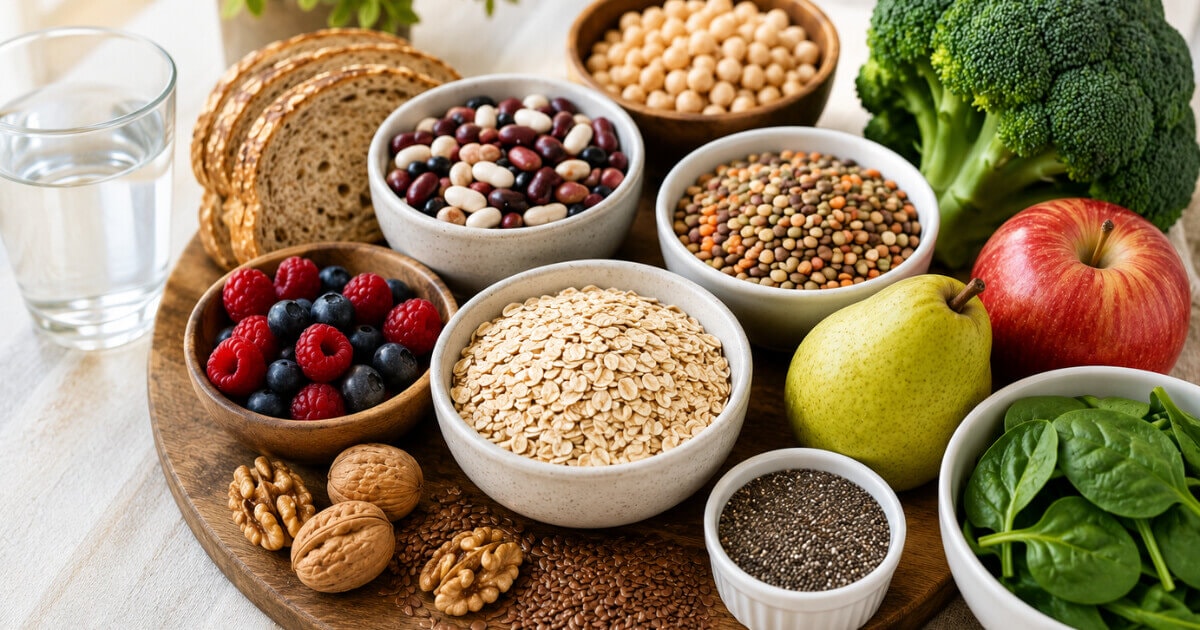
Best High Fiber Foods for Hemorrhoids
It’s easy to form a successful high fiber diet when you select the right foods.
| Category | Good Choices | Why They Help |
| Fruits | Apples, pears, berries, prunes, bananas | They give you decent fiber and extra water content that keeps stools softer |
| Vegetables | Broccoli (yes, even raw), spinach, carrots, Brussels sprouts | These bring both types of fiber — soluble and insoluble |
| Whole Grains | Oats, whole wheat, brown rice, quinoa | They add good bulk to your stool and help keep everything moving smoothly |
| Legumes | Beans, lentils, chickpeas | Super high in fiber and great for keeping your digestion on track |
| Seeds & Nuts | Flaxseeds, chia seeds, almonds | Nice mix of fiber and healthy fats that support your gut |
Can Too Much Fiber Cause Hemorrhoids?
Many get mixed up on this point. Does extra fiber actually bring on hemorrhoids? It does not happen straight from the fiber. Trouble starts when you ramp it up wrong.
Some people may not digest the insoluble fiber in vegetables very well causing bloating. Like eating broccoli, spinach, lettuce as salads may cause more bloating. In those cases try to cook them or saute before eating, to make them easier to digest.
Sudden jumps in fiber without drinking plenty of water often lead to:
- Bloating
- Gas
- Constipation
- Harder stool
That kind of backup ends up aggravating hemorrhoids. Places like Mayo Clinic and WebMD remind everyone to raise fiber amounts step by step while staying hydrated.
The real problem lies in the method, not the fiber.
How to Start a High Fiber Diet for Hemorrhoids Safely
Adding more fiber can deliver strong results for hemorrhoids when you handle it properly. Jumping the amount too fast or skipping water creates bloating, backed-up bowels, and extra pain that might set symptoms back. This is because there is a benefit to taking it slow and regularly.
Increase Fiber Gradually, Not Overnight
Adapting to a low-fibre diet needs some time, and that is why it’s recommended to add just one or two foods that deliver extra fibre. After a few days, increase the number of foods, then servings, and this way your body will adapt to the changes, resulting in normal bowel movements.
Drink Enough Water Every Day
Fiber counts on water to do its job of softening stool. Skip the fluids, and the stool turns dry, which forces more effort and stresses the veins.
A simple rule:
- Drink water numerous times throughout the day
- As the fiber intake goes up, water intake should be increased.
Hydration makes fiber work properly.
Focus on Natural Fiber Sources First
Put together your hemorrhoids high fiber diet, mainly from real foods rather than reaching for pills alone.
Best sources include:
- Apples, pears, and other fruits
- Leafy greens, such as spinach and broccoli
- Whole grains such as oats/ brown rice
- Pulse cereal crops such as lentils and beans
Natural foods in general offer superior digestive assistance.
Balance Soluble and Insoluble Fiber
You need both kinds inside a high fiber diet for piles. Soluble fiber softens the load, and insoluble fiber provides bulk to keep all things moving along the gut. They make stools pass more easily and are less painful.
Watch Your Body’s Response
Be aware of any additional gas, bloating, or slowing down at mealtime as consumption of additional fiber goes up. If those symptoms appear, step back a bit rather than push forward. Slow changes stop extra discomfort from too much fiber.
Build Consistency into Daily Meals
Taking fibre is effective only when taken consistently instead of taking it randomly. It is wise to include it in your breakfast, lunch, and dinner if you want your whole system to be on track.
Foods to Avoid If You Have Hemorrhoids
Some choices will trigger the symptoms that cause constipation.
Avoid or limit:
- Processed foods
- Fried foods
- Excess dairy
- Refined flour
- Fast food
- Alcohol
Low-fiber diets increase hemorrhoid risk.
Additional Tips Along with a High Fiber Diet
A high fiber diet for hemorrhoids helps create easier bathroom visits and cuts strain. Still, fiber by itself sometimes falls short. Everyday routines decide how fast you feel better and how well you stop new episodes. Pairing good food choices with smarter habits gives lasting comfort.
Avoid Straining During Bowel Movements
Hard labor, on the other hand, can cause the veins inside the rectal area to burst and cause the hemorrhoids to become irritated. Never rush (although it feels long) and do not worry, be certain that things are going through the correct process.
Don’t Sit Too Long on the Toilet
Long toilet time equates to increased pressure that builds up there. Once you’ve finished, simply go up instead of sitting down there or scrolling through your phone.
Stay Hydrated Throughout the Day
Fiber is best used with water. A low fluid intake ensures that stools become harder and increases the discomfort of hemorrhoids. Try to drink water regularly, even if you don’t feel thirsty.
Stay Physically Active
Moving around regularly boosts digestion and keeps bowels working right. Short walks or gentle daily movement fight constipation and support steady patterns.
Respond to the Urge to Go
Holding it in hardens stool and creates bigger problems later. Answering the signal right away limits pressure and avoids extra pushing.
Use Warm Sitz Baths for Relief
A warm water soak for 10-15 minutes helps to alleviate swelling, increase blood circulation and soothe irritated hemorrhoids.
Maintain a Consistent Bathroom Routine
Regular toilet visits create good habits and make surprise visits less common — maybe especially when you follow a high fibre diet for piles.
Conclusion
Eating a high fibre diet for hemorrhoids is one effective change that you can make in your life to help your bowel movements be easier and pain-free and to reduce the risk of further problems. The most desirable results can be achieved by incrementally and purposefully adding fiber to the diet, drinking ample fluids, persisting, and having good bathroom habits. If a symptom persists after diet changes, it’s time to seek professional attention.
This is the area in which specialist colorectal care comes into play. At Colon Rectal MD, Dr. Astha Bhatt offers expert care and treatment for hemorrhoids, as well as other gastrointestinal disorders.
As the best hemorrhoid doctor in Florida, we have a team of skilled physician for hemorrhoid diagnosis and are committed to providing personalized treatment for each patient, from lifestyle changes to non-surgical measures to advanced procedures as needed.
When it comes to the comfort with which you live your life, it’s easier to treat hemorrhoids early before they get worse.