

Holidays should bring joy, yet they often wear you out when you have Crohn’s. Heavy meals, shifting meal times, trips, pressure, and family gatherings can spark flare-ups. Many people find that daily life with Crohn’s disease gets tougher in these festive weeks since normal habits break down, and it gets harder to pick safe options.
The key is not skipping the holidays. You find ways to manage them so you maintain control over your symptoms. These can make things worse if you have problems with your bowels (bowel issues), stomach cramps, diarrhea, fatigue, or urgency to use the toilet.
The positive side is that with some preparation, attention to detail, and proper Crohn’s disease treatment in Florida, you can take part in the season and still protect your gut health.
What Makes Holidays Difficult for People with Crohn’s?
Holiday schedules often set the stage for Crohn’s flare-ups.
Common triggers include:
- Heavy or greasy foods
- Eating at irregular times
- Increased stress
- Alcohol consumption
- Lack of sleep
- Travel-related disruptions
So if you know what some of these are, then you have a much greater chance of being ahead of them.
Common Crohn’s Disease Symptoms That Can Worsen During Holidays
You have to spot your own signals first before you can handle Crohn’s well.
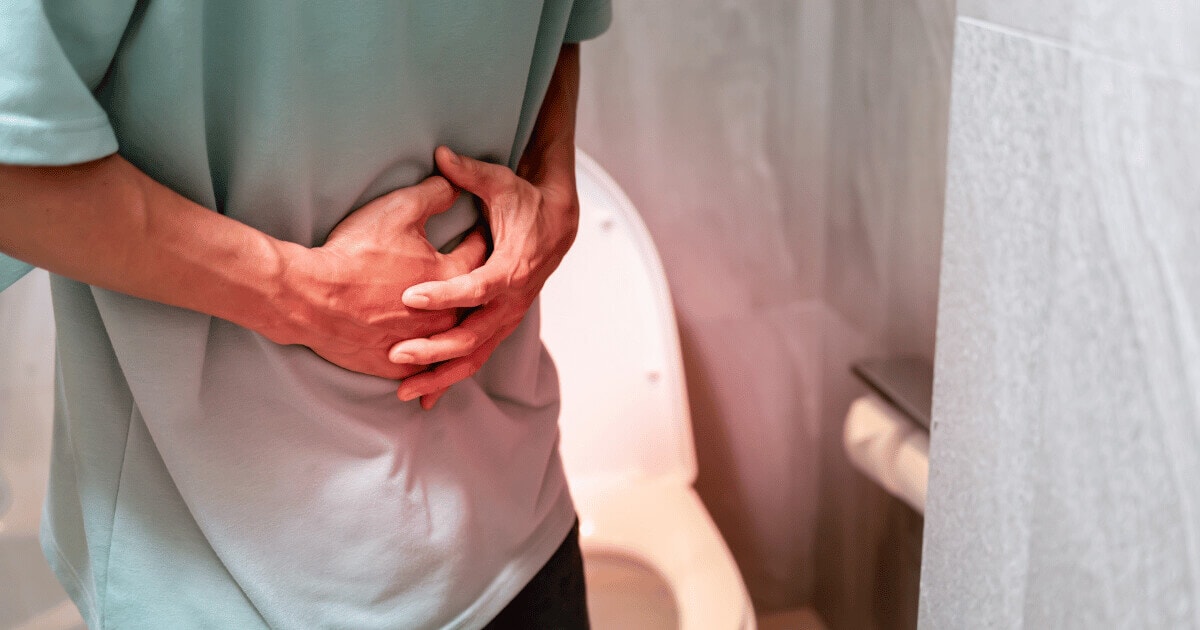
Common Crohn’s disease symptoms include:
- Abdominal cramping
- Diarrhea
- Fatigue
- Bloating
- Loss of appetite
- Urgency to use the bathroom
- Rectal discomfort
Holiday patterns can increase the number or intensity of these symptoms.
6 Tips for Managing Crohn’s Disease Over the Holidays
Dealing with Crohn’s during the holidays requires adjusting to maintain your normal routine as much as possible while staying flexible. Some good choices in food and stress management help you participate without causing problems.
1. Don’t Experiment with Trigger Foods
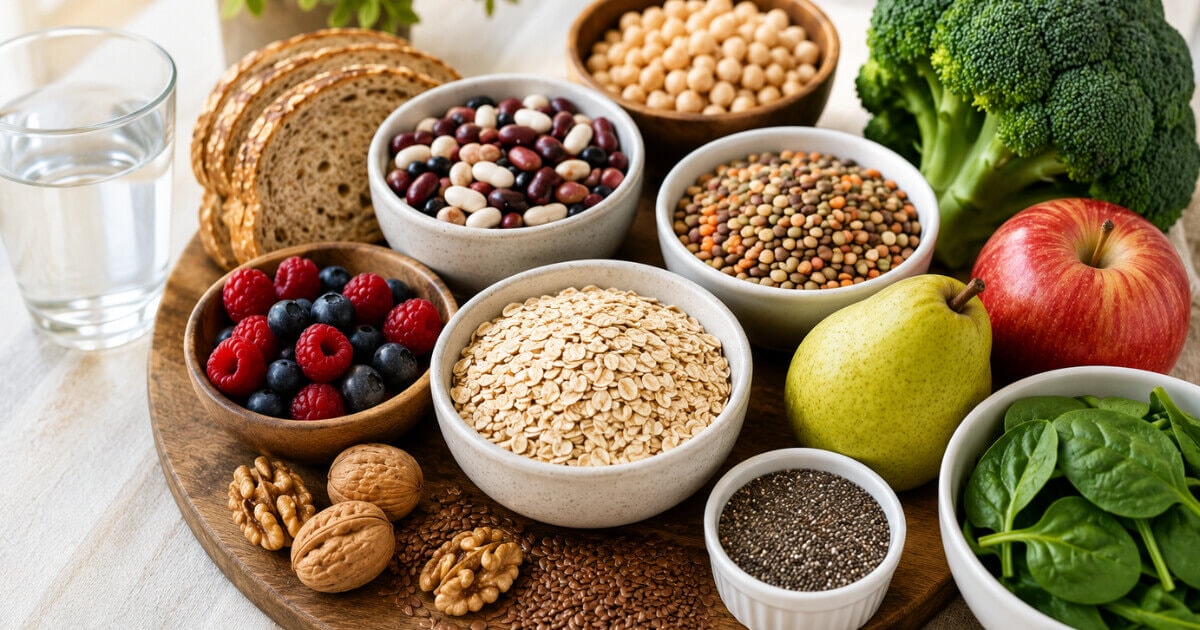
Holiday spreads have lots of appealing dishes, but if you know some items set off your Crohn’s, skip the trial run. Spicy items, fried choices, dairy products, drinks with alcohol, or foods packed with fiber can bring symptoms on fast.
Stick with the safe options your system already handles. One meal is never worth the setback.
2. Eat Smaller Meals Instead of Large Portions
Big servings add pressure to your digestion. Rather than loading up at parties, spread out smaller amounts across the day.
This approach helps by:
- Reducing digestive strain
- Preventing bloating
- Managing pain better
- Improving tolerance
Smaller meals make your gut easier.
3. Keep Your Medication Routine Consistent
Changes from travel and events make it easy to skip doses. Even short gaps can weaken your hold on symptoms.
Carry your meds and use phone alerts to stay on track. Your Crohn’s disease treatment only delivers results when you follow it every day.
4. Plan Bathroom Access in Advance
A big part of getting through a day with Crohn’s disease involves cutting down worry about finding a restroom. When you go to gatherings or head out on the road, locate facilities ahead of time.
Practical planning includes:
- Checking venue restrooms
- Planning road trip stops
- Carrying emergency supplies
- Choosing seating close to restrooms
This step lowers anxiety and leaves you feeling steadier.
5. Manage Stress Before It Triggers Symptoms
Stress ranks high among non-food factors that stir up Crohn’s. Planning events, family demands, and journeys can raise tension and make symptoms flare.
Focus on:
- Taking breaks
- Resting when needed
- Saying no when necessary
- Keeping your schedule realistic
Guarding your energy level counts.
6. Don’t Ignore Early Symptoms
When your Crohn’s disease symptoms pick up — extra pain, stronger urgency, or new levels of tiredness — act right away instead of letting it build. Quick action can stop a full flare.
Reach out to your doctor when anything feels off or stronger than normal.
Catching it early beats trying to fix a bigger problem later.
Travel Tips for Crohn’s During the Holidays
Travel adds its own hurdles to Crohn’s care.
Important travel habits:
- Carry medications in your bag
- Pack safe snacks
- Stay hydrated
- Avoid risky foods during travel
- Keep medical contacts accessible
Getting ready cuts down on worry.
When to See a Specialist During the Holiday Season
Holiday issues need attention fast if they grow serious.
See a specialist if you have:
- Persistent abdominal pain
- Severe diarrhea
- Blood in stool
- Fever
- Dehydration
- Sudden weight loss
A flare-up requires prompt medical care.
Why Long-Term Crohn’s Management Matters Beyond Holidays
The holidays pass quickly, but Crohn’s care stays with you year-round. Solid daily habits make it simpler to face special seasons.
Strong long-term care helps with:
- Better symptom control
- Fewer flare-ups
- Better digestion
- Improved quality of life
Good habits give you more freedom overall.
Conclusion
The holidays do not need to run your life with Crohn’s. You simply handle them with a different mindset. Little decisions on meals, pressure, medicines, and preparation can change how your body reacts. The aim is not perfection. It is stopping trouble before it starts. Acting on symptoms quickly lets you enjoy the time without extra problems.
This is when good care counts. At Colon Rectal MD, Dr. Astha Bhatt offers detailed checks and care for complex digestive and colorectal issues, including tailored support for inflammatory bowel diseases like Crohn’s disease. Using up-to-date IBD knowledge and patient-centered care, the focus remains on stronger symptom relief and lasting gut health.
If you need surgical expert Crohn’s disease treatment in Florida, reaching out for specialized help soon can ease both regular days and holiday periods.
FAQs
1. Can holiday foods trigger Crohn’s disease symptoms?
Yes. Depending on the individual condition, some symptoms may be caused by rich, spicy, fried foods and foods containing fiber.
2. What helps in getting through the day with Crohn’s disease during holidays?
Meal planning, stress management, and taking meds on time and knowing where to find a restroom really help.
3. Should I avoid all holiday food with Crohn’s?
Not necessarily. Focus on avoiding your known trigger foods and eating in moderation.
4. When should I contact a doctor for Crohn’s symptoms?
Contact your doctor as soon as symptoms worsen, become severe, or seem unusual.
5. Is Crohn’s disease treatment in Florida available through colorectal specialists?
Yes. Many colorectal specialists help manage Crohn’s through evaluation, symptom control, and treatment planning.