
Did your doctor just tell you that you have a colon polyp? You might feel worried. Hearing the words “colon cancer” can scare anyone.
But I have good news for you. Finding a polyp is often a great thing. It means we found the problem early.
As your colorectal surgeon, I want to help you understand your body. Let us talk about what polyps are and how we keep you safe.
What is a Colon Polyp?
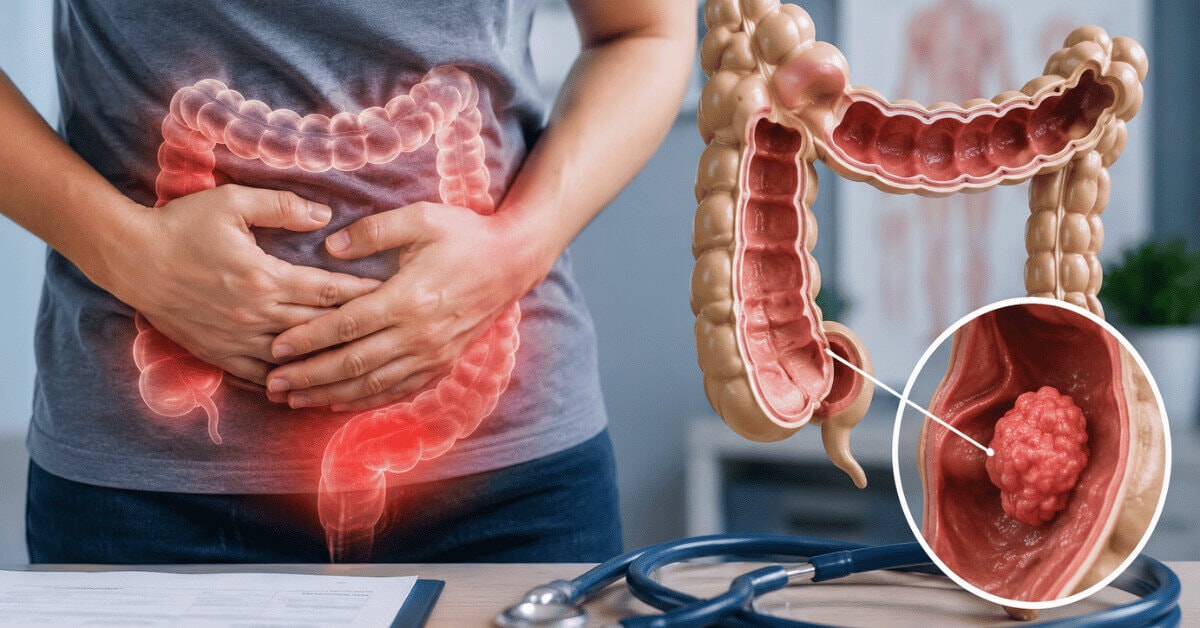
A polyp is simply a small bump of extra cells. It grows on the inside lining of your colon.
Most polyps are totally harmless. Anyone can get them. But your risk goes up as you get older. Family history also plays a big part in who gets them.
Colon Polyps Can Be Small, Quiet, and Important
You may feel fine.
You may have no pain.
You may have no bleeding.
Still, a small growth inside your colon can matter.
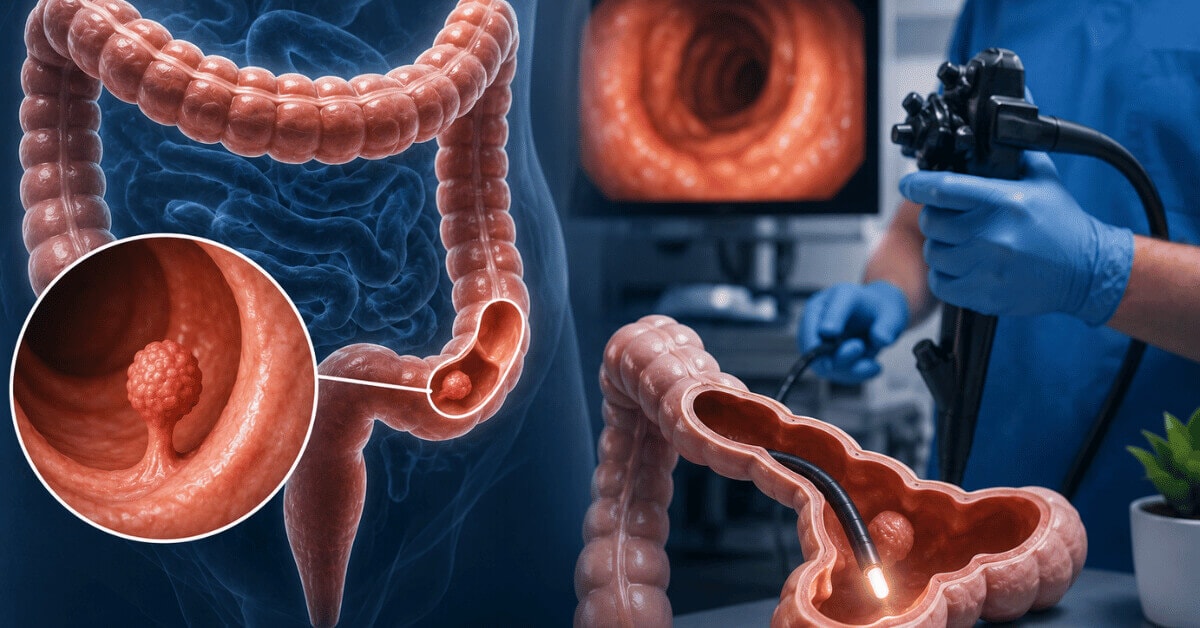
This growth is called a colon polyp. A polyp is a small extra piece of tissue that grows on the lining of the colon. Most polyps are not cancer. But some polyps can turn into Colon Cancer over time.
That is why screening matters so much.
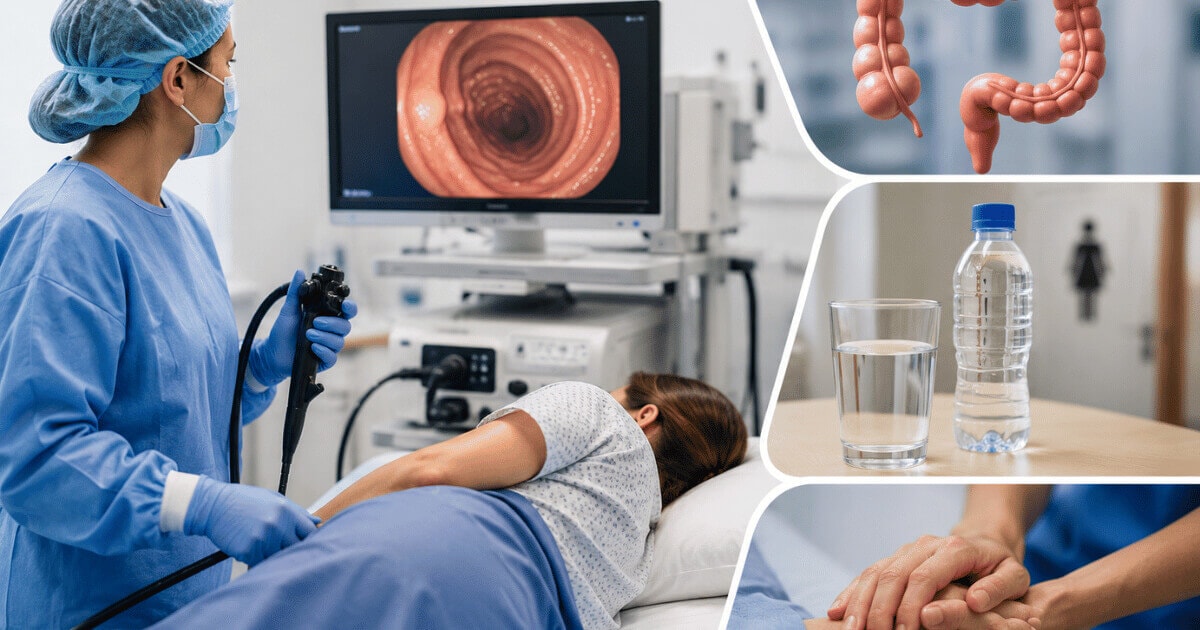
When we find polyps early, we can often remove them during a colonoscopy. A colonoscopy is a test that lets us look inside the colon with a thin, flexible camera.
This can help prevent Colon Cancer before it starts.
How Do Colon Polyps Become Colon Cancer?
Colon Cancer often starts from a polyp.
This change usually happens slowly. It can take years.
That gives us a chance to act early.
A colonoscopy can find polyps before they become cancer. During the same test, your doctor may remove many polyps. This is called a polypectomy, which means removing a polyp.
This is one of the most powerful ways to prevent Colon Cancer.
The Silent Danger of Polyps
Here is the tricky part about polyps. They usually cause no symptoms at all. You might feel perfectly fine.
Sometimes, a large polyp can cause a little bleeding. You might see a change in your bathroom habits. But most of the time, they stay silent.
This is why a colonoscopy is so important. A colonoscopy is a safe test where we use a soft tube with a tiny camera. We look inside your colon to find these bumps. If we see a polyp, we remove it right then and there. This completely stops colon cancer from growing.
Modern Treatments for Larger Polyps
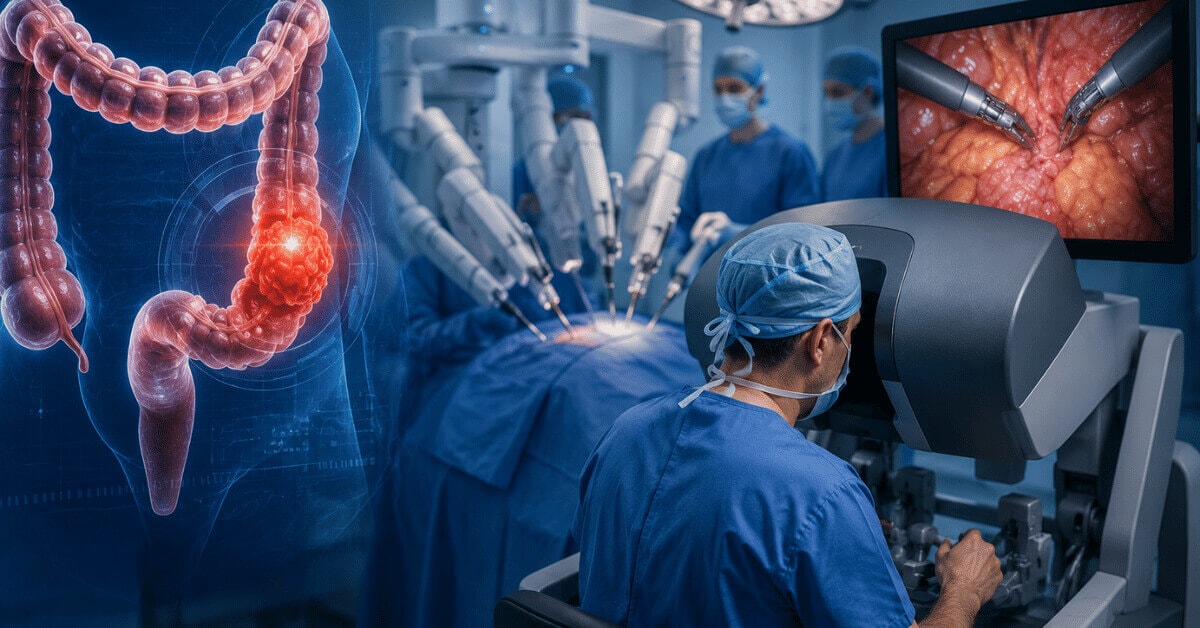
Sometimes, a polyp is too large to remove during a simple test. If this happens, please do not panic. I am a colon and rectal surgeon who specializes in minimally invasive surgery. This means I use tiny cuts instead of one large one.
For example, I use laparoscopic methods with small camera tubes. I also perform robotic colorectal surgery. The robotic tools give me amazing precision.
What does this mean for you? You feel much less pain. You go home faster. You get back to your normal life sooner.
For complex cases, we focus on sphincter-saving surgery. This means we safely remove the bad tissue while keeping your normal bathroom function intact.
What Happens If a Polyp Is Found?
If we find a polyp, we often remove it during the colonoscopy.
Then the lab studies it under a microscope. This tells us:
- What type of polyp it is
- Whether it has precancerous changes
- Whether it contains cancer cells
- When you need your next colonoscopy
Your follow-up plan depends on the number, size, and type of polyps.
A small low-risk polyp may need routine follow-up. A larger adenoma or multiple polyps may need closer follow-up.
Your doctor will explain your plan in clear steps.
How You Can Lower Your Colon Cancer Risk
You cannot control every risk.
But you can take strong steps.
Helpful Habits
- Get screened on time
- Keep your follow-up colonoscopy schedule
- Eat more fruits, vegetables, and whole grains
- Limit processed meats
- Stay active
- Avoid smoking
- Limit alcohol
- Maintain a healthy weight
- Know your family history
Lifestyle changes can help lower Colon Cancer risk, but they do not replace screening.
Frequently Asked Questions About Colon Polyps and Colon Cancer
1. Do all colon polyps turn into colon cancer?
No, they do not. Most polyps are completely harmless. However, a specific type called an adenoma (a precancerous bump) can turn into cancer over time. This is exactly why we find and remove them early. Doing so keeps you safe.
2. How do you find and remove colon polyps?
We use a safe test called a colonoscopy. We gently guide a soft tube with a tiny camera into your colon. If I see a polyp, I use tiny tools to remove it right then. You sleep comfortably through the entire process.
3. Will I feel pain when you remove a polyp?
No, you will not feel it. The inside lining of your colon does not have pain nerves like your skin does. You will rest peacefully during the test. Most patients wake up feeling fine and go right home.
4. What happens if my polyp is too large for a normal test?
Please do not worry. As a colorectal surgeon, I specialize in treating large polyps safely. I use minimally invasive surgery, like robotic colorectal surgery, to remove the large polyp through tiny cuts. This approach helps you heal much faster with very little pain.
5. If I have a polyp, how soon do I need another check-up?
The timing depends on your specific exam findings. If we remove a precancerous polyp, I may ask you to return in three to five years. We will look at your medical history and create a personal plan to protect your health.
6. Can I do anything at home to prevent colon polyps?
Yes, healthy habits help your body a lot. Eating high-fiber foods, staying active, and avoiding smoking can lower your risk. But the best prevention is regular screening. A simple visit to our South Florida office can catch problems before they ever start.
Final Message From Dr. Astha Bhatt
Colon polyps may be small, but they can carry important meaning.
The good news is this: we can often find and remove polyps before they become Colon Cancer.
Please do not wait for symptoms.
Please do not assume bleeding is hemorrhoids.
Please do not skip screening because you feel fine.
If you have concerns, a family history, or symptoms, schedule an evaluation with a qualified physician.
Dr. Astha Bhatt, MD is a General Surgeon and colorectal surgeon with fellowship training in minimally invasive surgery focused on robotic colorectal surgery. She serves patients in Broward County and South Florida, including Fort Lauderdale, Pompano Beach, Coral Springs, Davie, Deerfield Beach, Plantation, Coconut Creek, and Weston.
This article is for education only. It does not replace a personal medical exam, diagnosis, or treatment plan. Please see a qualified physician for medical care.