
Robotic vs. Traditional Diverticulitis Surgery: Why Broward County Patients Choose Minimally Invasive Procedures
What Is Diverticulitis Surgery (Colon Resection)?
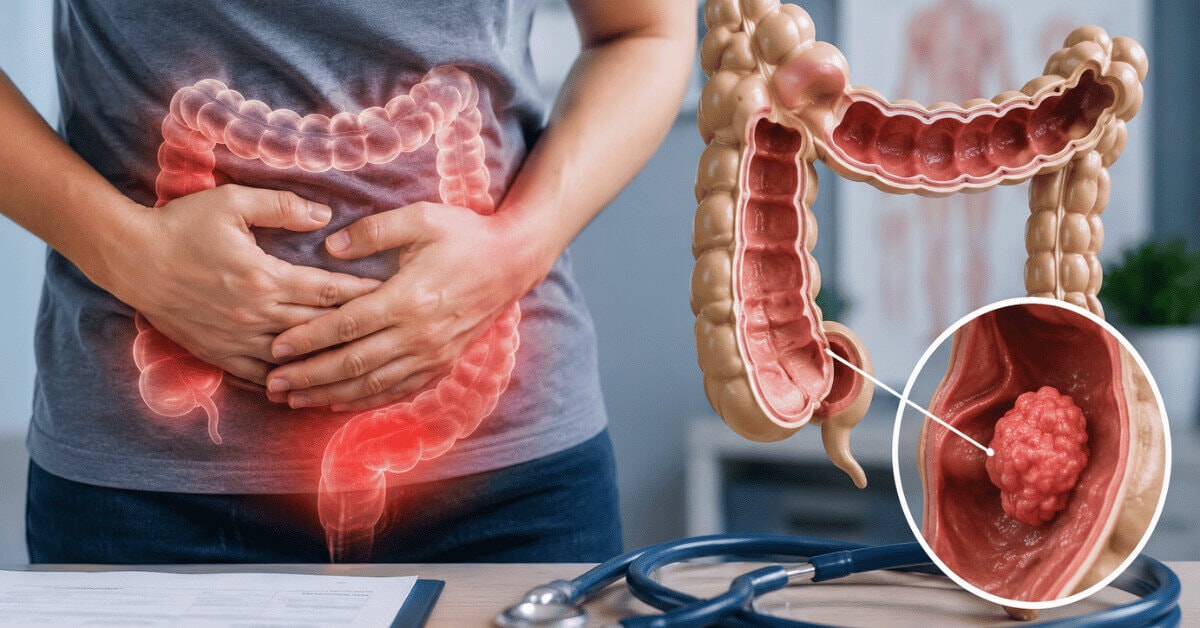
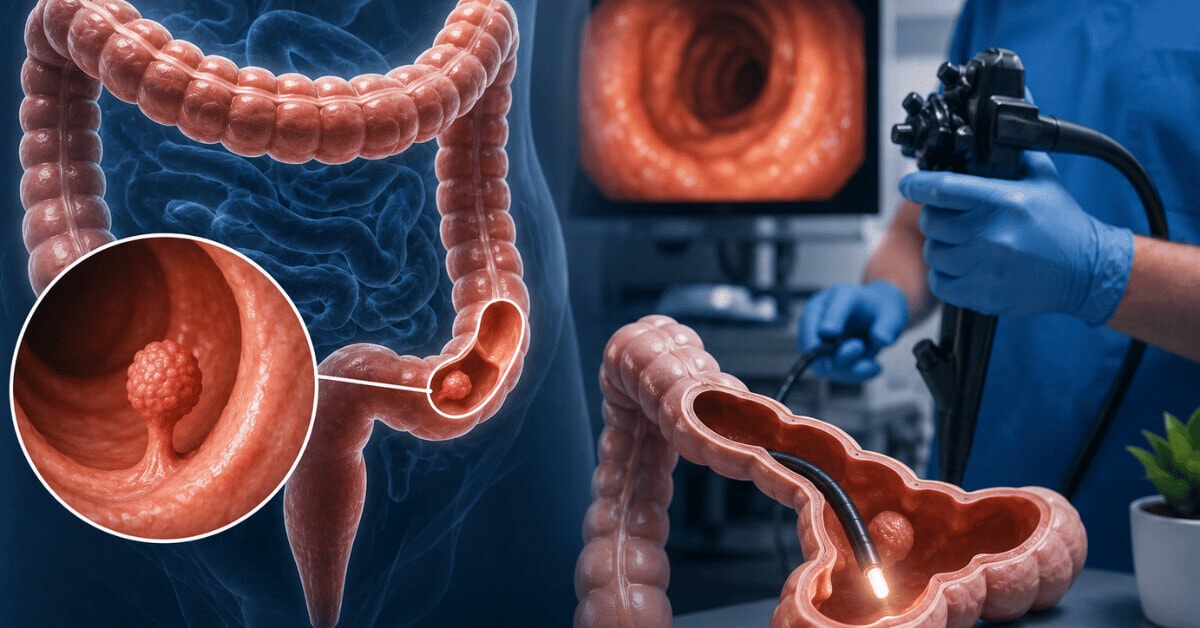
Diverticulitis surgery, also called colon resection, involves removing the diseased segment of the colon and reconnecting healthy end. Surgery is typically recommended when:
- You have recurrent diverticulitis attacks
- There is abscess, perforation, or fistula
- Symptoms are affecting your quality of life
- Medical treatment is no longer effective
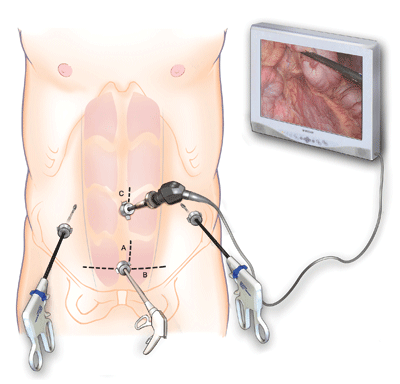
Understanding Traditional (Open) Diverticulitis Surgery
For decades, the standard approach to removing a diseased portion of the colon was a traditional “open” laparotomy. During this procedure, the surgeon makes a single, large incision down the center of the abdomen—often 8 to 12 inches long. This large opening is required for the surgeon to see the organs, remove the inflamed section of the colon, and reconnect the healthy tissue.
- While open surgery is sometimes unavoidable (especially in severe, life-threatening emergencies where the colon has ruptured), it has notable drawbacks:
- Longer Recovery: It requires a hospital stay of a week or more.
- More Pain: A large incision through the abdominal muscles requires significant healing and more pain medication.
- Higher Risk of Complications: Larger incisions carry a higher risk of wound infections and postoperative hernias.
- Higher Stoma Risk: In emergency open surgeries, the risk of waking up with a temporary or permanent colostomy bag is significantly higher.
How it works:
A large abdominal incision (6–10 inches)
Direct manual access to the colon
Downsides:
More post-operative pain
Longer hospital stay
Higher risk of infection
Slower recovery (often 4–8 weeks or longer)
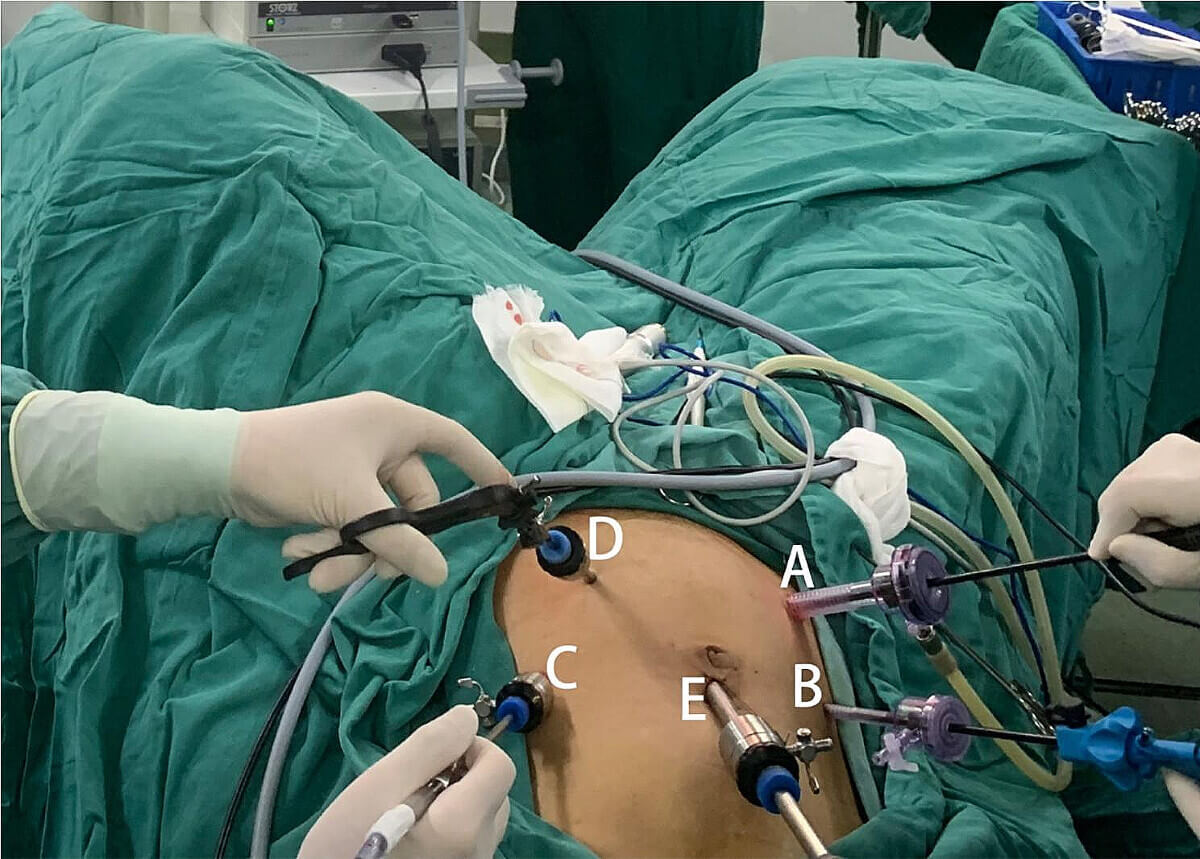
The Modern Standard: Advanced Robotic Diverticulitis Surgery
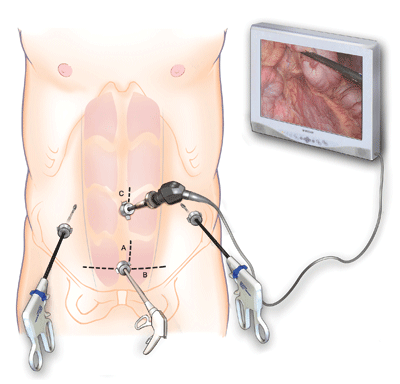
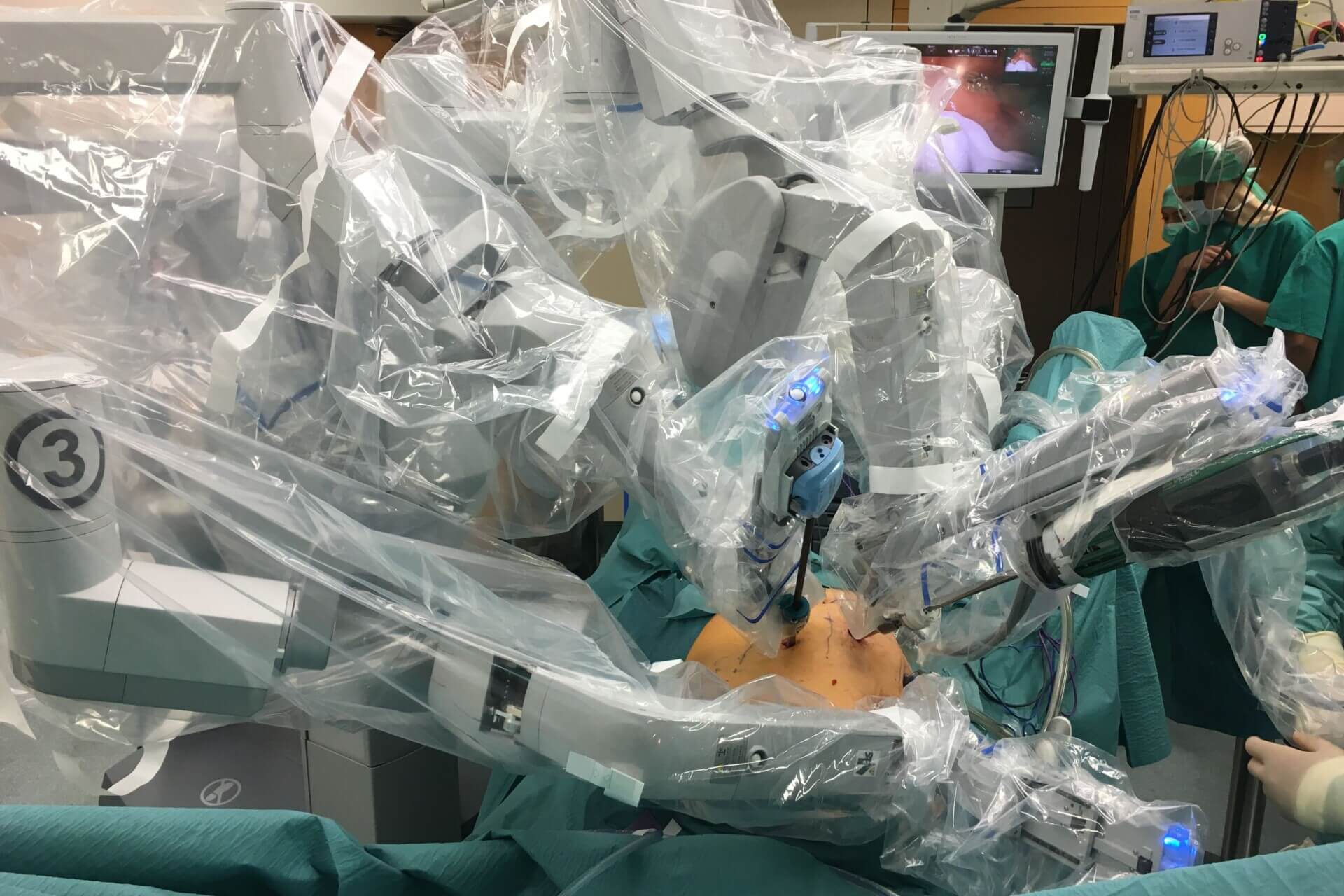
Robotic colon resection is a highly advanced, minimally invasive alternative. Using state-of-the-art robotic platforms, such as the da Vinci surgical system, I am able to perform complex colon removals through just a few tiny keyhole incisions, each about the size of a dime.
It is important to know that the robot does not perform the surgery. I am in 100% control of the robotic arms at all times from a console in the operating room. The robotic system provides me with a magnified, high-definition 3D view of your colon, while translating my hand movements into precise, micro-movements inside your body. Robotic surgery is performed using advanced platforms like the da Vinci Surgical System, where the surgeon controls highly precise instruments through small incisions.
How Robotic Surgery Works:
It is a common misconception that the robot performs the surgery. In reality, the robot does nothing on its own. I am in 100% control of the procedure at all times.
Instead of a large 8-inch incision, I make 3 to 4 tiny “keyhole” incisions in your abdomen, each roughly the size of a dime. Through these small ports, I insert a high-definition 3D camera and microscopic, highly articulated surgical instruments.
I sit at a surgical console just a few feet away from you in the operating room. Looking through the console, I have a magnified, crystal-clear, 3D view of your colon, blood vessels, and the delicate nerves of your pelvis. As I move my hands and fingers, the robotic system instantly translates my movements into precise, tremor-free micro-movements inside your body. The robotic “wrists” can rotate 360 degrees, providing a range of motion that far exceeds the human hand.
Key advantages:
- High-definition 3D visualization
- Greater precision in delicate anatomy
- Minimal tissue trauma
Why Broward County Patients Prefer the Robotic Approach for Diverticulitis Surgery
In my practice, I have seen firsthand how transformative robotic surgery is for patients traveling to me from all over South Florida. Here is why the robotic approach is vastly superior for elective diverticulitis surgery:
1. Pinpoint Precision & Lower Risk of a Colostomy Bag
The number one fear my patients have is needing a colostomy bag. The robotic system allows me to navigate the deep, narrow spaces of the pelvis with extreme precision. Because of this enhanced visibility and maneuverability, I can safely reconnect the healthy ends of the bowel in the vast majority of elective cases, drastically lowering your risk of needing a stoma compared to open surgery.
2. Significantly Less Pain and Minimal Scarring
Because we avoid a massive 8-inch incision, there is minimal trauma to your abdominal wall. My patients typically require far less prescription pain medication and are thrilled that their tiny incisions heal into barely noticeable scars.
3. A Faster Return to Your Florida Lifestyle
Traditional surgery can keep you in bed for weeks. With robotic diverticulitis surgery, my patients usually spend just 1 to 3 days in the hospital. Whether you want to get back to walking the shops on Las Olas, golfing in Weston, or enjoying the parks in Plantation and Coral Springs, robotic surgery gets you back to your life much faster.
4. Quicker Return of Digestive Function
Because the robotic instruments handle your delicate tissues so gently, your digestive tract “wakes up” faster after surgery. You will be able to return to a normal diet and healthy bowel movements sooner than with traditional surgery.
5. Better Cosmetic Results
Smaller scars
Minimal visible incisions
Improved patient satisfaction
Take Control: The Importance of Elective Surgery
The most critical advice I give my patients in Fort Lauderdale, Davie, and Oakland Park is this: Do not wait for an emergency.
If you wait until a diverticulitis pocket ruptures, you will likely end up in the ER requiring emergency traditional open surgery. By choosing to have elective robotic surgery between your flare-ups, you take control of the situation. You optimize your chances for a minimally invasive procedure, a fast recovery, and a life free from chronic colon pain.
Proudly Serving Patients Across Broward County, FL
When it comes to complex colorectal surgery, experience matters. With over 4,000 successful surgeries, my goal is to bring world-class, fellowship-trained surgical expertise directly to our local community. You do not need to travel out of state to receive the most advanced surgical care available.
My practice is conveniently located to serve the entirely of Broward County, and we are currently accepting new patients from:
Fort Lauderdale, FL
- Pompano Beach, FL
- Davie, FL
- Coral Springs, FL
- Deerfield Beach, FL
- Plantation, FL
- Oakland Park, FL
Is There a Cure for Diverticulitis?
Diverticulitis, a condition marked by the inflammation or infection of small pouches in the colon, presents a complex challenge in the realm of gastrointestinal health. It beckons a nuanced understanding that, although a definitive cure remains elusive, effective management strategies offer a beacon of hope. Embracing a multifaceted approach that marries dietary vigilance with regular physical activity forms the bedrock of staving off acute episodes and promoting long-term well-being. The emphasis on a fiber-rich diet underscores the pivotal role of nutrition in softening the impact on the colon, thereby reducing the likelihood of flare-ups. Regular engagement in physical activity complements dietary efforts, aiding in maintaining a balanced body weight and fostering optimal digestive function. The journey with diverticulitis is one of proactive adaptation and management, where the power lies in the hands of the individual and their commitment to a lifestyle aligned with intestinal health. Engaging closely with healthcare professionals to tailor a management plan that reflects personal health goals and challenges is essential, illuminating the path toward minimizing the impact of this condition on daily life.
Do Not Wait for an Emergency—Take Control Today
If you live in Oakland Park, Margate, Coconut Creek, or anywhere in the greater Broward County area, you do not have to live your life dictated by the unpredictable pain of diverticulitis.
Waiting for your colon to rupture in an emergency guarantees a traditional open surgery and heavily increases your risk of a colostomy bag. By choosing to have an elective, minimally invasive robotic surgery with an experienced specialist, you take control of your health, your recovery, and your future.
Are you ready to break the cycle of chronic diverticulitis and get your life back?
Schedule a consultation with me today. Together, we will review your medical history, evaluate your CT scans, and determine if Advanced Robotic Diverticulitis Surgery is the right path for you.
Frequently Asked Questions (FAQs) About Diverticulitis Surgery
It is entirely normal to have questions before making a decision about surgery. Here are the most common questions I answer for my patients during their initial consultations.
Q: Am I a candidate for Robotic Diverticulitis Surgery?
A: Most patients who require elective surgery for recurrent or chronic diverticulitis are excellent candidates for the robotic approach. However, if you are currently experiencing a severe, life-threatening emergency (such as a bowel perforation), emergency open surgery may be required. This is why I strongly advise scheduling a consultation before your condition turns into an emergency.
Q: Is robotic surgery safe?
A: Yes. Robotic-assisted surgery is widely recognized as incredibly safe and effective. The advanced visualization and tremor-filtration technology actually enhance the safety and precision of the procedure compared to traditional methods.
Q: How long will I be in the hospital after robotic surgery?
A: While traditional open surgery requires 5 to 8 days in the hospital, my robotic surgery patients typically go home within 1 to 3 days, provided their pain is well-controlled and their bowel function is returning.
Q: Will my diet be restricted forever after part of my colon is removed?
A: No! This is a major benefit of the surgery. Once your colon has fully healed from the operation (usually within 4 to 6 weeks), you can gradually return to a normal, healthy, high-fiber diet. You will finally be able to eat nuts, seeds, popcorn, and salads without the constant fear of triggering a diverticulitis attack.
Q: Does my insurance cover robotic surgery?
A: Because robotic-assisted colon resection is a recognized standard of care for diverticulitis, it is generally covered by Medicare and most major private health insurance plans, just like traditional surgery. Our office staff will help verify your specific benefits prior to your procedure.