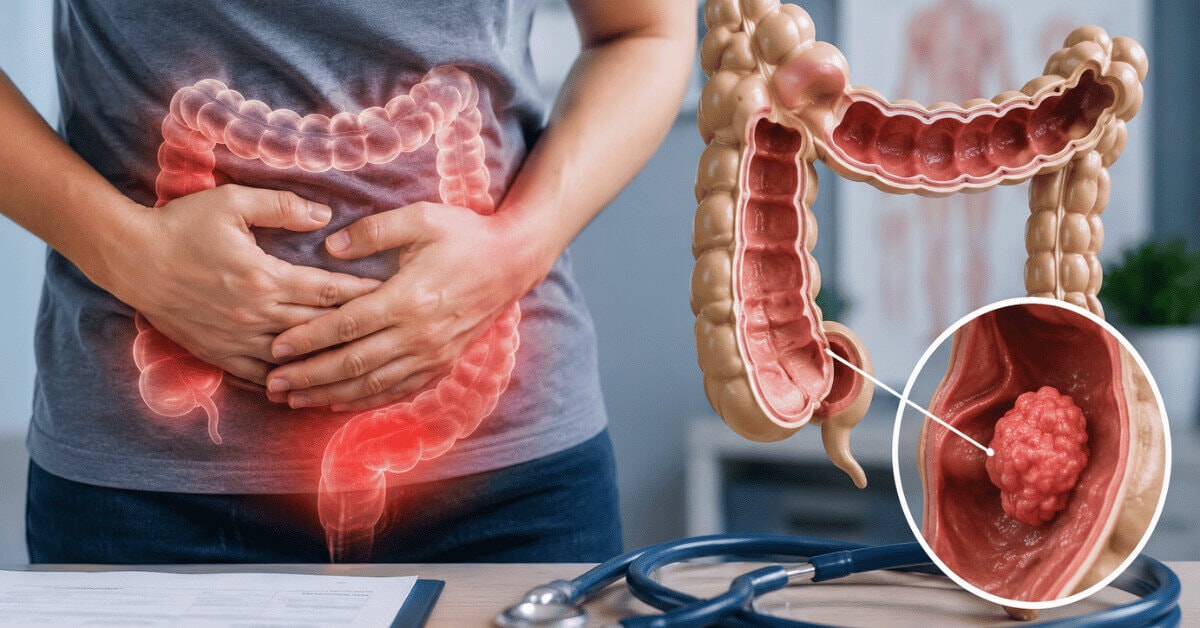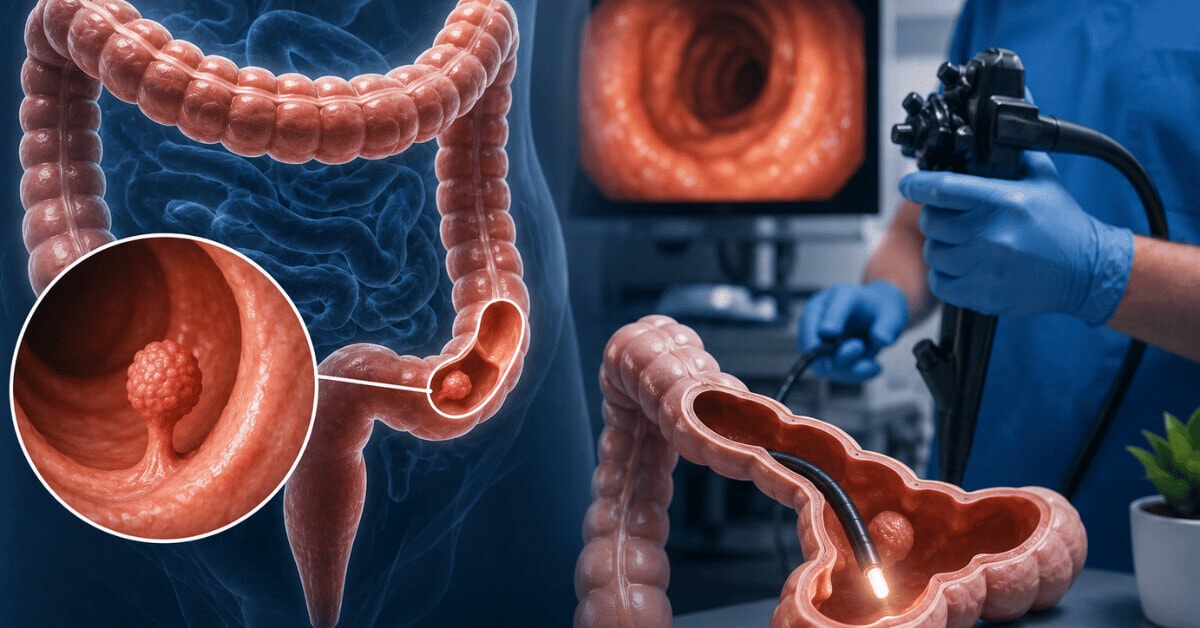

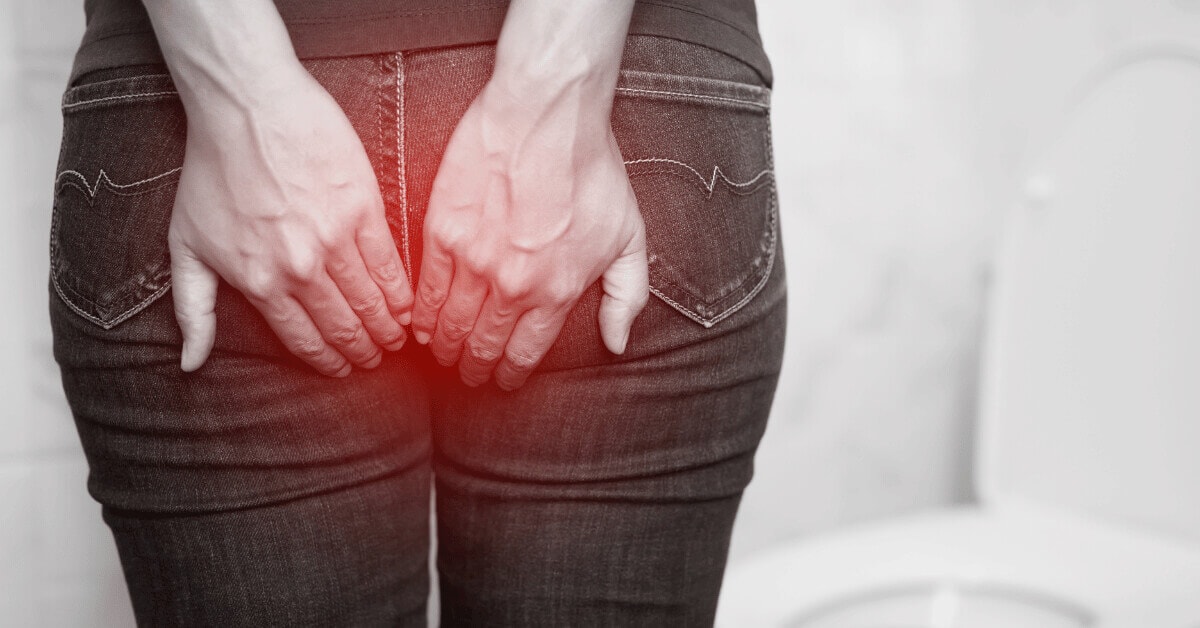
One of the most frequent issues of the and anus is hemorrhoids. They affect millions of people worldwide. They occur when the veins in the lower rectum or the area surrounding the anus swell and become inflamed due to excessive pressure. They may result in itching, soreness, and bleeding. Still, they are not particularly unsafe. With proper care and modifications in daily lifestyle, most of the cases can be managed. There are both less invasive and invasive surgical options available depending on severity of symptoms.
Hemorrhoids occur in many individuals at some point in their lives and are more frequent after age 40. Sitting for long period of time, constipation, pregnancy, and pushing hard during bowel movements, heavy weight lifting can trigger them. Although they are quite frequent, many people postpone visiting a doctor due to embarrassment.
To treat hemorrhoids, it is important to understand the symptoms, causes, and treatment options so you can detect them early and manage them effectively. When the right steps are followed, most cases resolve on their own, and your stomach feels better overall.
What Are Hemorrhoids?
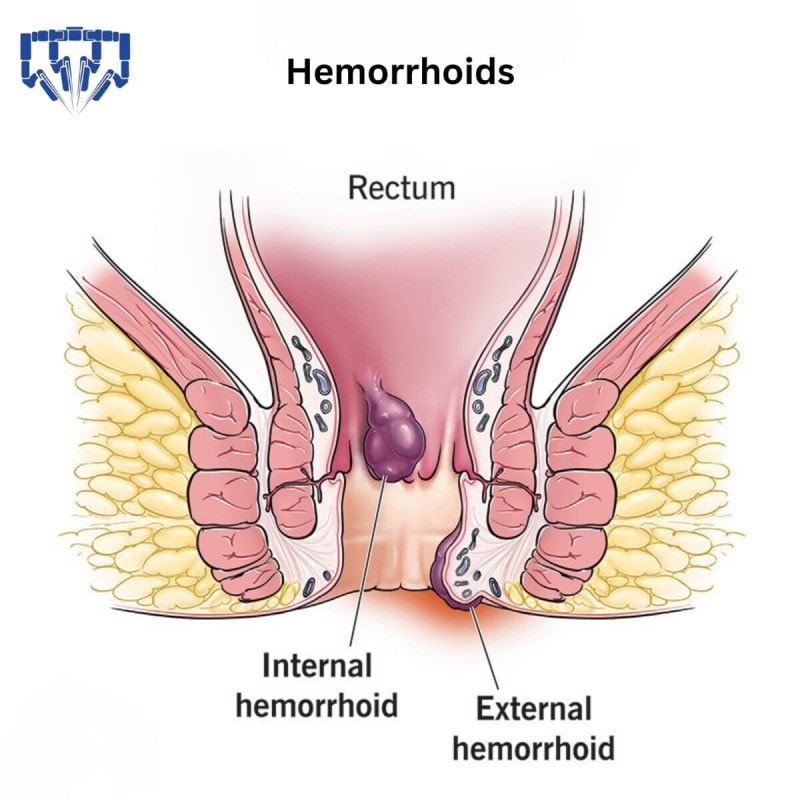
Hemorrhoids can be defined as swollen veins of the lower rectum or anus. They are like varicose veins. They can form inside the rectum or under the skin around the anus.
When pressure builds up in the rectal veins, they stretch and swell. This creates hemorrhoids. Depending on where they are and how bad they get, they can cause bleeding, itching, swelling, or pain.
Types of Hemorrhoids
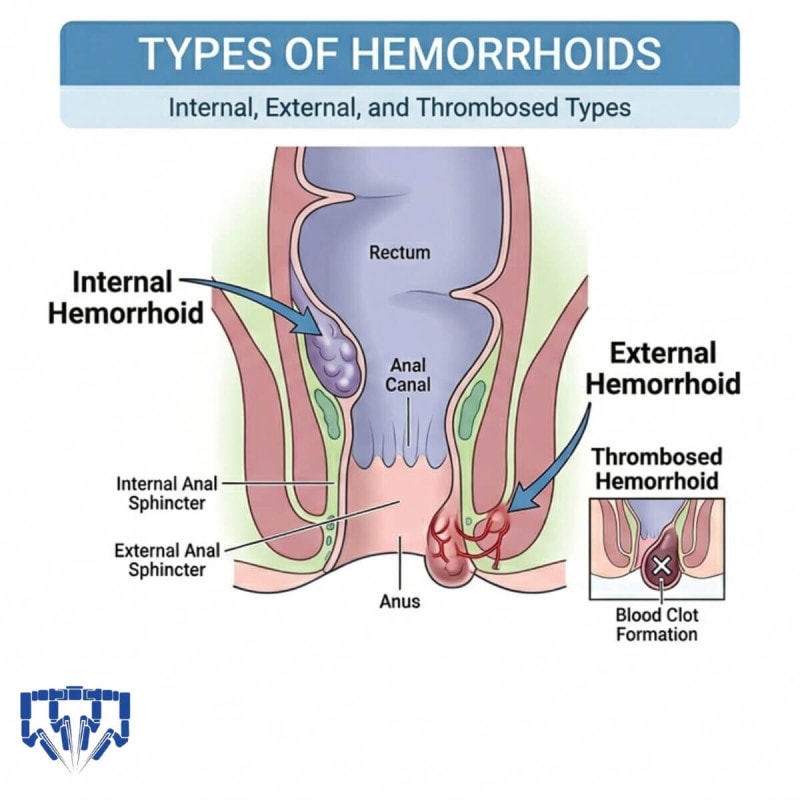
Hemorrhoids come in three main types based on where they sit.
Internal Hemorrhoids
Internal hemorrhoids develop within the rectum. They are usually painless because fewer nerves are present in that region. But they can cause bleeding during bowel movements. Sometimes these internal ones slip out and hang outside the anus.
External Hemorrhoids
External hemorrhoids form under the skin around the anus. This is even more painful since it contains many sensitive nerves. You may feel pain, itching, swelling, and irritation around the anus.
Thrombosed Hemorrhoids
Thrombosed hemorrhoids happen when a blood clot forms inside an hemorrhoid. This causes severe pain, swelling, and inflammation.
They often feel like a hard lump near the anus and usually need medical care.
Symptoms of Hemorrhoids
Symptoms change depending on the type and how serious the hemorrhoids are. Some people feel only mild discomfort. Others notice stronger signs.
Common symptoms include:
- Blood in the rectum, which may appear bright red during bowel movements.
- Anal itching or irritation.
- Pain/discomfort, particularly on sitting down.
- Swelling around the anus
- A small lump around the anus, which can be sore or painful.
- Discharge or irritation of mucus following bowel movements.
Hemorrhoids are generally treated easily. However, when bleeding or pain becomes problematic, visit a doctor to rule out other possible issues.
Causes of Hemorrhoids
The process of hemorrhoids begins when excessive pressure accumulates inside the veins surrounding the rectum. This pressure causes the veins to swell and stretch and this brings about inflammation.
Several things can lead to this problem.
Common Causes
- Straining during bowel movements due to constipation
- Chronic constipation or diarrhea
- Sitting for long periods, especially on the toilet
- A low-fiber diet, which causes harder stools
- Pregnancy, which increases pressure in the pelvic veins
- Obesity or excess body weight
- Heavy lifting or physical strain
- Aging, which weakens the supporting tissues around the rectal veins
Fixing these causes with simple lifestyle changes can lower your chances of getting hemorrhoids.
Risk Factors for Hemorrhoids
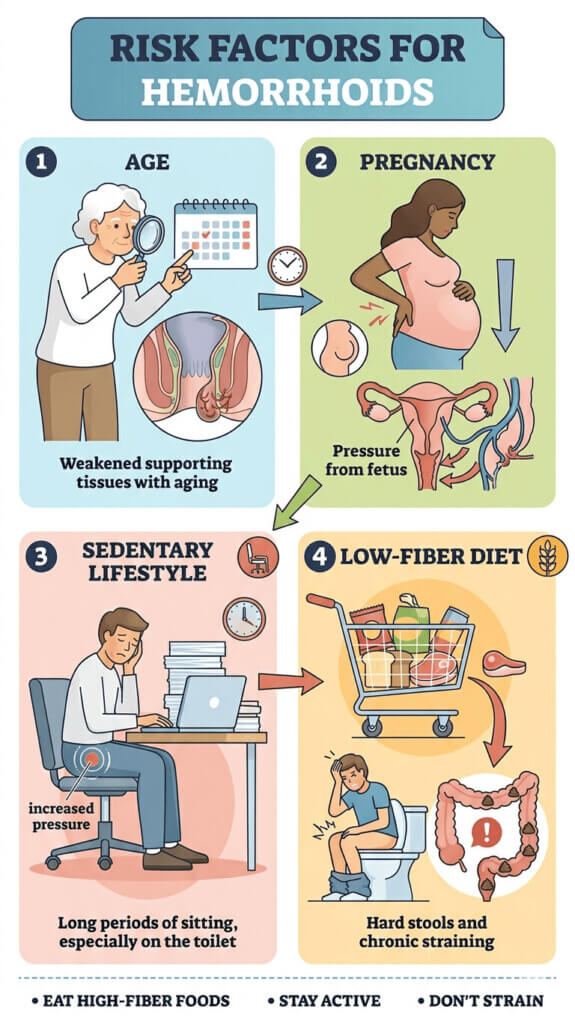
Some people are more likely to get hemorrhoids because of certain risk factors.
Age: The risk goes up as you get older because the tissues that support the rectal veins get weaker.
Pregnancy: Hormone changes and extra pressure on pelvic veins during pregnancy make hemorrhoids more common.
Sedentary Lifestyle: The lack of movement can slow digestion and cause additional constipation.
Low-Fiber Diet: Low-fruit, vegetable, and whole-grain diets contribute to more difficult stools and straining.
How Hemorrhoids Are Diagnosed
Physical examination and inquiry about your symptoms are typical methods doctors use to diagnose hemorrhoids. They can verify it by a few basic methods.
Physical Examination: External hemorrhoids can often be seen just by looking at the anal area.
Digital Rectal Exam: The doctor puts a gloved finger into the rectum to feel for any problems.
Anoscopy or Proctoscopy: These use a small tool to look inside the rectum and find internal hemorrhoids. Finding it early helps pick the best treatment for you.
Treatment Options for Hemorrhoids
Treatment is determined by the severity of symptoms and the kind of hemorrhoids you have.
Lifestyle and Home Remedies: Simple changes in the day-to-day routines are usually effective in mild cases.
Increase Fiber Intake: Consumption of increased fiber makes stools soft and reduces the straining during bowel movements.
Foods rich in fiber include:
- Fruits
- Vegetables
- Whole grains
- Legumes
- Stay Hydrated
By consuming a lot of water, the body’s digestive system remains healthy and constipation is avoided.
Warm Sitz Baths: Warm water soaking of the anal area for 10 to 15 minutes relieves discomfort and irritation.
Over-the-Counter Treatments: Itching and swelling can be reduced with creams, ointments, and medicated wipes.
Medical Treatments: If symptoms do not go away, doctors may suggest some of the potential Medical Treatments:
- Rubber Band Ligation: The doctor places a small rubber band around the base of an internal hemorrhoid to cut off its blood supply, causing it to shrink.
- Sclerotherapy: A chemical solution is injected into the hemorrhoid to make it shrink.
- Infrared Coagulation: Heat or infrared light is used to stop blood flow to the hemorrhoid.
Surgical Treatment
Very bad cases may need surgical treatment.
- Hemorrhoidectomy: This surgery removes large hemorrhoids that cause a lot of trouble.
- Stapled Hemorrhoidopexy: A special stapling tool is used to put hemorrhoids back in place and reduce blood flow. Surgery is usually only done when other treatments do not work.
How to Prevent Hemorrhoids?
Good daily habits can greatly lower the chance of getting hemorrhoids.
Eat a High-Fiber Diet: A balanced diet helps with smooth bowel movements and reduces constipation.
Avoid Straining: Do not push hard during bowel movements because straining puts extra pressure on rectal veins.
Stay Physically Active: Daily workouts help with digestion and prevent constipation.
Limit Time on the Toilet: Prolonged sitting on the toilet causes pressure on the anal veins.
Maintain Healthy Body Weight: Maintaining a healthy weight lowers the pressure in the pelvic region.
When to See a Doctor
Most hemorrhoids respond to home treatment. However, you should see a doctor if things are not improving or are getting worse.
You need to go for a doctor consultation when you experience:
- Persistent rectal bleeding
- Severe pain or swelling
- A hard lump near the anus
- Symptoms that do not improve after treatment
An early visit to the doctor will help rule out other issues and ensure you get the right care.
Conclusion
Hemorrhoids are normal and everyone has them. If they become symptomatic, they need lifestyle modification or further treatment. It is a treatable disorder affecting the veins of the anus and rectum. Symptoms such as itching, painfulness, swelling, and rectal bleeding may complicate everyday living. However, early treatment and prevention measures can make the difference.
Hemorrhoids can be prevented by simple measures such as increasing fiber intake, staying hydrated, staying active, and avoiding prolonged straining.
Nevertheless, when the symptoms are chronic or intense, it is worth consulting a specialist. If you are looking for a hemorrhoids specialist in Florida, there are clinics such as Colon and Rectal MD that specialize in colon and rectal issues, including hemorrhoids.
Our experienced specialist, Colorectal Surgeon in Florida, Dr. Astha Bhatt, provides comprehensive care using modern diagnostic methods and personalized treatment plans to deliver real relief and support long-term digestive health.
Getting medical help at the right time improves comfort, prevents complications, and helps keep your colorectal health in good shape.
Frequently Asked Questions
What are the first signs of hemorrhoids?
The earliest signs often include itching around the anus, mild discomfort during bowel movements, and small amounts of bright red blood on toilet paper. Some people may also notice slight swelling.
Do hemorrhoids go away on their own?
Yes, mild hemorrhoids can go away on their own with simple lifestyle changes like increasing fiber intake, drinking more water, and avoiding straining during bowel movements.
What is the main cause of hemorrhoids?
The most common cause is excessive pressure on the rectal veins, usually due to constipation, straining during bowel movements, prolonged sitting, or pregnancy.
How can I quickly relieve hemorrhoid pain at home?
You can reduce discomfort by taking warm sitz baths, applying over-the-counter creams, using cold compresses, and keeping the area clean and dry.
Are hemorrhoids dangerous?
Hemorrhoids are usually not dangerous, but persistent bleeding or severe pain should not be ignored, as it may indicate a more serious condition.
What foods help prevent hemorrhoids?
Foods rich in fiber such as fruits, vegetables, whole grains, and legumes help soften stools and reduce the risk of hemorrhoids.
When should I see a doctor for hemorrhoids?
You should consult a doctor if you experience ongoing bleeding, severe pain, a hard lump near the anus, or if symptoms do not improve with home treatment.