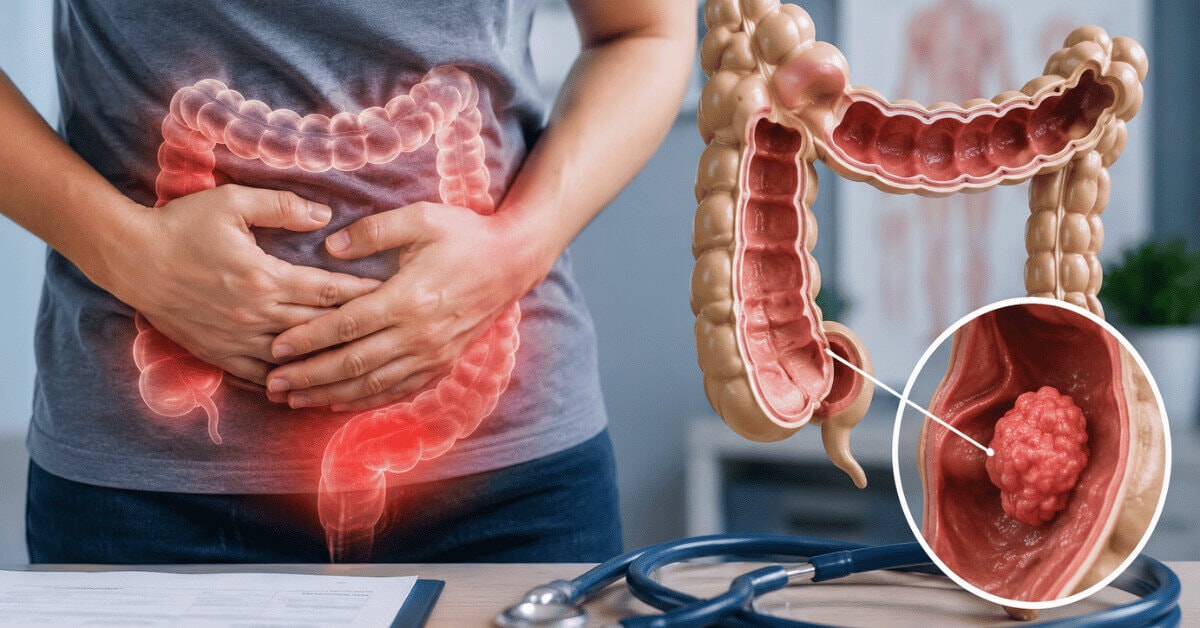

An anal fissure is a tiny tear in the thin lining of the anus, which causes sharp pain and bleeding during bowel movements. Although it may seem minor, the pain can be acute and disrupt everyday routines. Many confuse it with hemorrhoids, but the two are distinct problems that require different types of treatment.
The good news ! Anal fissures are mostly treatable and often improve with proper care . Nevertheless, when symptoms persist or worsen, it is time to visit the doctor.
By understanding the symptoms of anal fissure, the causes, and the correct anal fissure treatment options, you will be able to manage the condition effectively and prevent it from becoming chronic.
What Is an Anal Fissure?
An anal fissure is simply a tear to the anal canal lining. It is usually a result of trauma, such as the passing of hard stools. It may appear like a paper cut, yet the pain is intense due to the area’s sensitivity.
Fissures can be:
- Acute: Temporary and can be cured in weeks.
- Chronic: Last longer than six weeks and may require medical treatment
Anal Fissure Symptoms
Spotting anal fissure symptoms early makes treatment and relief come faster. Symptoms differ in severity .nCommon Symptoms Include the Following:
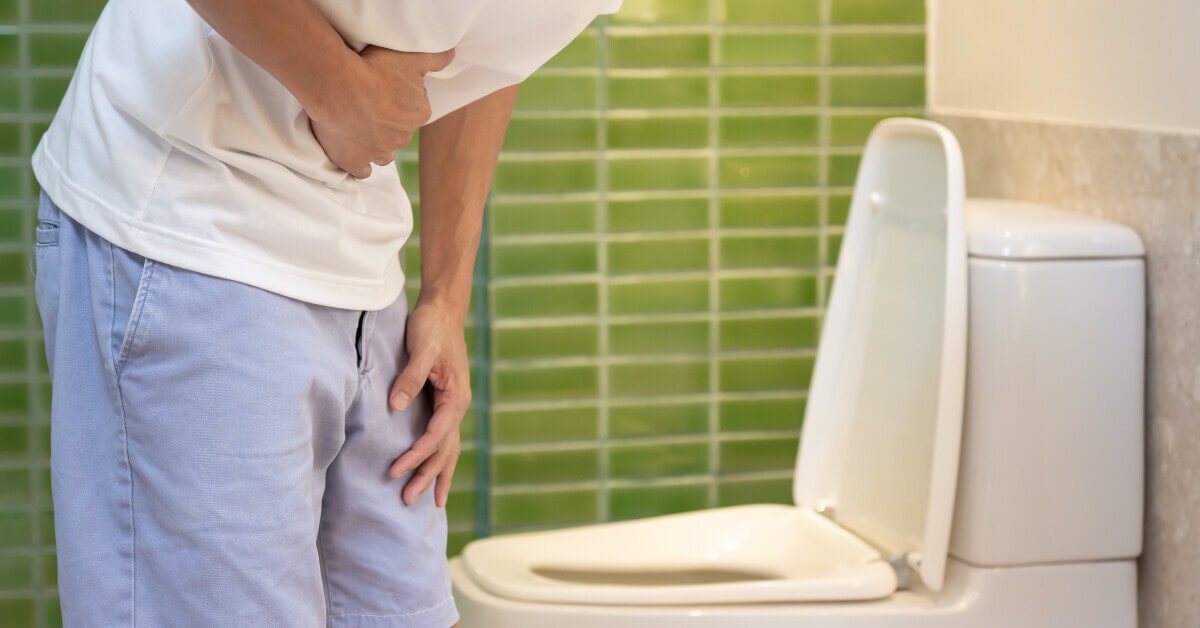
- Sharp pain during bowel movements
- Bright red blood on toilet paper or stool
- Pain that continues for hours after a bowel movement
- Visible crack or tear near the anus
- Muscle spasms in the anal sphincter
The most common signs of an anal fissure are pain and bleeding during bowel movements.
Causes of Anal Fissure
An anal fissure typically begins with the fragile lining of the anal canal being overstretched. This frequently happens due to straining or injury from repeated strain, especially during bowel movements.
Although it may begin as a small tear, constant stress in the same area may prevent healing and lead to chronicity.
Common Causes of Anal Fissure
- Passing Hard or Large Stools: It is among the most common causes. Hard stools impose too much pressure, resulting in tearing of the anal lining.
- Chronic Constipation: The straining of the anal canal, which occurs repeatedly, intensifies the tension and makes fissures more likely to develop.
- Frequent Diarrhea: Constant irritation and inflammation weaken the lining, making it more susceptible to tearing.
- Straining During Bowel Movements: This can easily cause injury to anal tissue due to overstraining.
- Low-fiber Diet: The absence of fiber results in the irregular movement of the bowels and hard stools, which are risk factors.
- Childbirth: The physical stress during childbirth may occasionally lead to an anal fissure.
Top Ways Anal Fissure Is Diagnosed
The diagnosis of an anal fissure typically remains straightforward, although it is important to get it evaluated by a specialist and differentiate it among other issues and even select the proper treatment.
Symptom-Based Evaluation
The diagnosis process usually begins by discussing the symptoms. Physicians monitor typical signs of an anal fissure, such as painful bowel movements and bright red blood. The manner in which the pain behaves, its intensity, difficulty sitting and its duration provide strong early indications.
Visual Inspection
An anal fissure can be easily identified by examining the anal region. Physicians examine any visible tears, where they are located, and the extent of the condition. This step validates the diagnosis and distinguishes it from other problems.
Medical History Review
Reviewing the patient’s medical history helps uncover underlying causes. Physicians examine bowel patterns, nutrition, fluid balance, and prior fissures in order to identify what contributes to and influences the treatment.
Gentle Physical Examination
When needed, doctors may perform a gentle physical exam to assess muscle tightness and nearby tissue. Digital examination is usually required to diagnose deeper fissures. They do this with caution to avoid causing pain, particularly since the area is very sensitive.
Advanced Evaluation for Chronic Cases
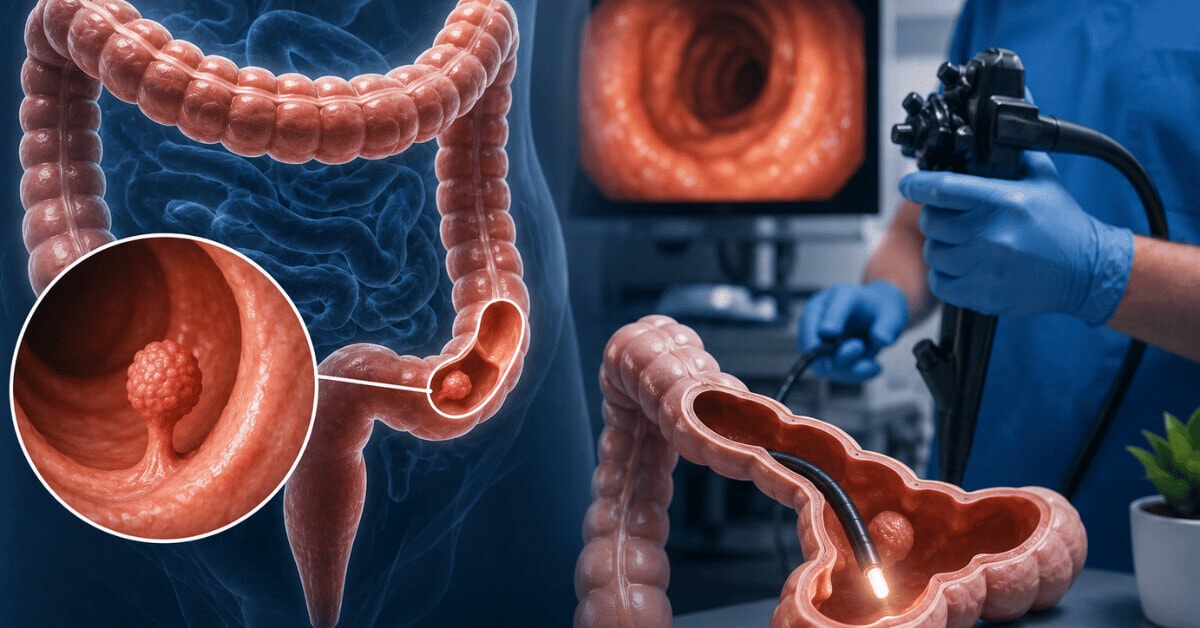
When the fissure will not heal or symptoms remain unclear, further checks may be necessary. Tools like anoscopy help rule out other conditions and lock in the right treatment path.
Effective Anal Fissure Treatment for Better Relief
The anal fissure treatment is not just a matter of comfort in the short term. It is aimed at reducing pain, sealing the tear, and preventing its recurrence. Treatment of fissures in the anal region is best based on the acuteness or chronicity of the fissure. The majority of cases respond positively to a combination of daily changes and medical assistance.
1. Immediate Pain Relief and Comfort Care
The initial step is to relieve pain and allow the region to relax.
- Sitz baths 10-15 minutes, 2-3 times per day.
- Light washing to prevent additional irritation.
- Do not spend too much time sitting on the toilet
All these simple measures help relax the anal muscles, increase blood flow, and alleviate anal fissure symptoms as quickly as possible.
2. Improve Bowel Movements
Healing starts by cutting strain during bowel movements.
- Raise the amount of fiber consumed, including fruits, vegetables, and whole grains.
- Always keep hydrated to loosen stool.
- Take stool softeners when necessary.
Regular bowel movements without any tears prevent additional tearing and accelerate healing.
3. Topical Medications for Healing
Medicated creams serve as a main part of non-surgical anal fissure treatment.
- Nitroglycerin ointments to improve blood flow
- Calcium channel blockers to relax anal muscles
- Local anesthetic creams for pain relief
These treatments alleviate muscle spasms and help the fissure heal.
4. Advanced Non-Surgical Treatments
In cases of persistent or chronic fissures, more serious measures may be required.
- Use of Botox to relax the anal sphincter.
- Prescription-strength topical therapies
These options are effective when the simple measures fail to provide sufficient relief.
5. Surgical Treatment for Chronic Cases
In case the fissure remains open despite all the efforts, surgery may be the second step.
- The most common procedure is the lateral internal sphincterotomy.
- Reduces muscle tension to allow healing
- Offers high success rates with long-term relief
Surgery is often proposed by doctors when other treatments fail.
6. Long-Term Prevention and Lifestyle Adjustment
Preventing relapse is a major component of treatment.
- Eat a high-fiber diet.
- Do not strain in passing bowels.
- Stay physically active
- Develop consistent bowel habits
Such practices provide permanent relief and reduce the risks of developing new fissures.
Complications of Untreated Anal Fissure
Letting an anal fissure go without care can create problems.
- Chronic pain
- Recurring fissures
- Infection
- Difficulty passing stools
Chronic fissures often will not heal without the right medical help.
When to See a Specialist?
Numerous fissures heal on their own, although you must visit a doctor when:
- Pain is severe or persistent
- Bleeding continues
- Symptoms last more than a few weeks
- Recurring fissures occur
Early medical treatment leads to faster recovery and prevents additional issues.
Conclusion
The anal fissure may appear as a minor issue, yet the pain and discomfort may change everyday life on a massive scale. The key to success is early detection of anal fissure symptoms and adherence to the correct course of treatment. Home care and medications improve many cases, but chronic cases require specialists.
If you continue to experience symptoms that refuse to leave, contacting an expert anal fissure specialist in Florida would go a long way.
Looking for an anal fissure specialist in Florida? ColoRectal MD is the best clinic for diagnosing and treating anal fissures through advanced, patient-centered care. Our team is led by surgeon Dr. Astha Bhatt, who provides accurate diagnoses, end-to-end care, and long-term relief for Anal Fissure.