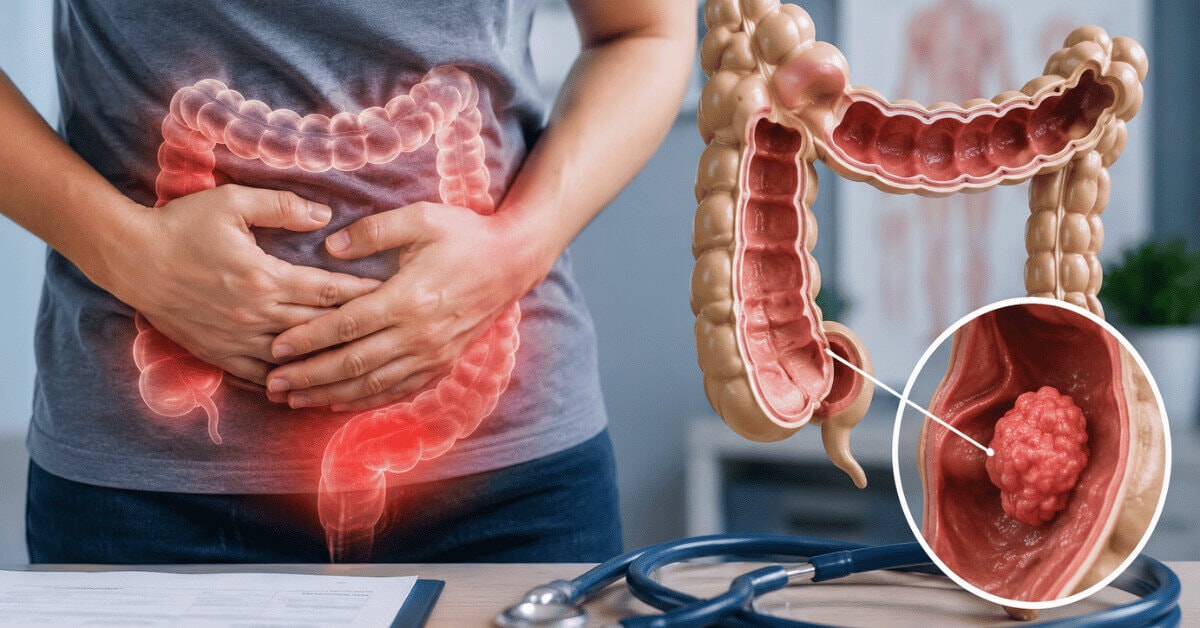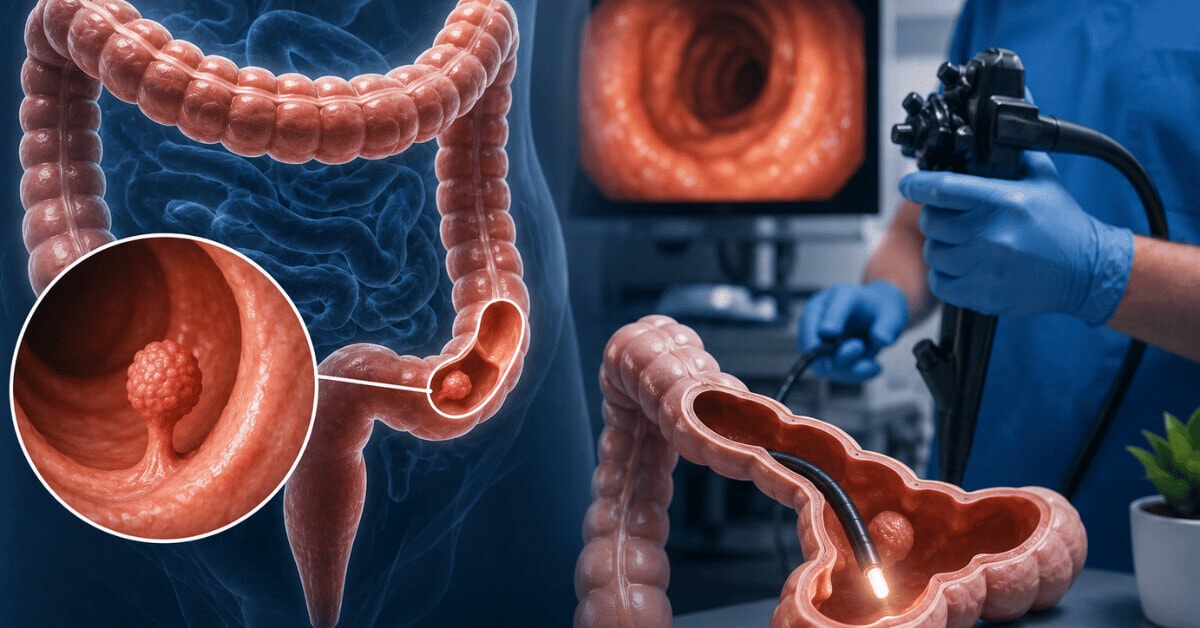

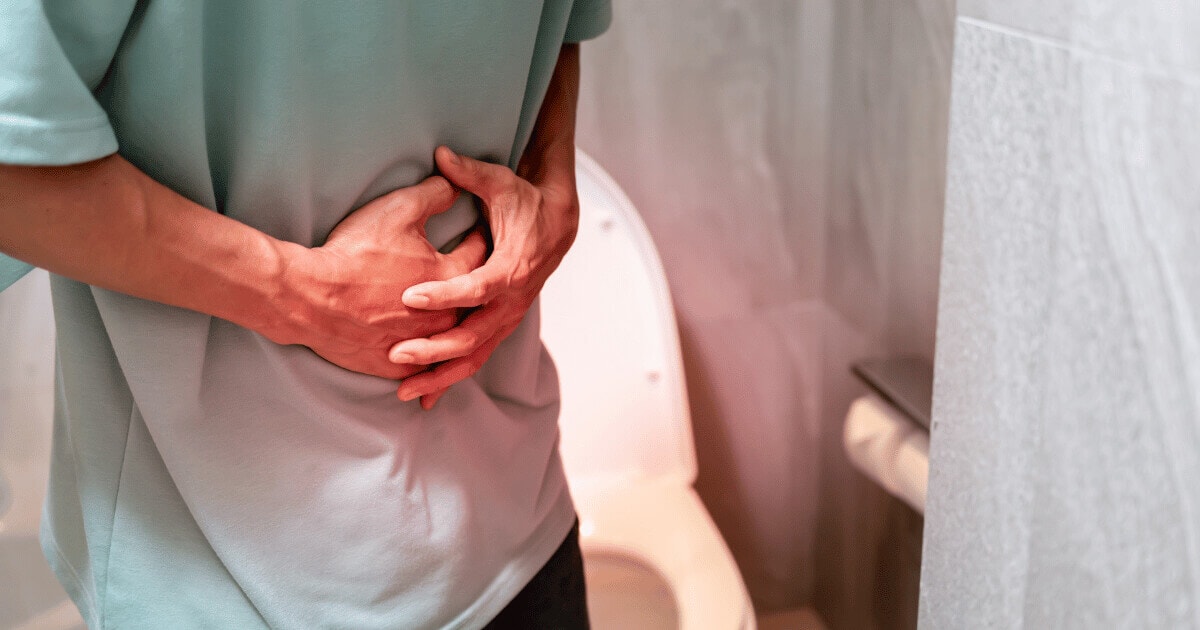
One of the most widespread gut issues in the world, which a majority of people overlook until it begins to interfere with their daily life, is constipation. It is not just about missing a couple of bathroom breaks. You can also feel like you are pushing hard to get anything out, deal with real discomfort, and walk away still feeling like you did not finish the job. Leave it unchecked for too long, and it can create more severe problems later.
The clever thing to do with constipation is to figure out the actual symptoms and narrow down the causes. We all get constipated sometimes, but when it takes a week or two to clear, it is time to see a doctor and consider some actual treatment. This guide outlines the primary symptoms, common causes, and when it is reasonable to seek professional assistance.
What Is Constipation?
When you can only manage fewer than three bowel movements per week, or when it is an actual struggle to go, most doctors refer to it as constipation. It strikes us all, however, in somewhat different ways. Some people mainly notice their stools come out hard as rocks. Others just end up straining or feeling sore every time they try.
Constipation can be:
- Acute: Temporary and usually due to temporary changes in lifestyle.
- Chronic: This is persistent, lasting several weeks or more, and may require medical intervention.
It is often best to get it early on, before it leads you into bigger problems down the line.

Common Constipation Symptoms
It is much easier to get on top of things as soon as the signs have been spotted. The symptoms may begin with slight discomfort and develop into something that knocks you out.
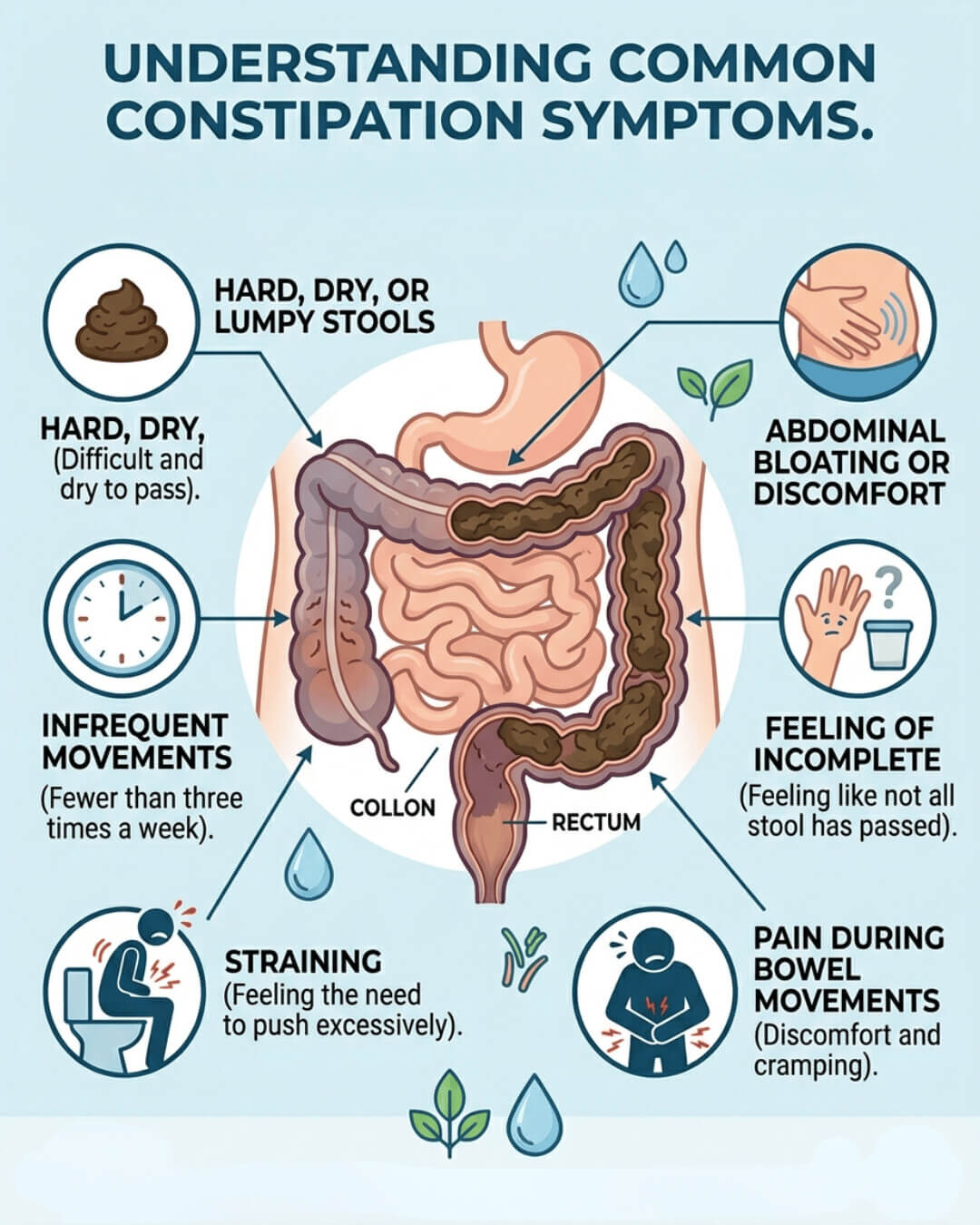
Key Symptoms Include:
- Infrequent bowel movements (less than three times a week)
- Hard, dry, or lumpy stools
- Straining during bowel movements
- A feeling of incomplete evacuation
- Abdominal bloating or discomfort
- Pain during bowel movements
It also leaves you wiped out in some cases, kills your appetite, and just makes everything feel wrong.
Warning Signs That Need Medical Attention
It remains mild in most cases, but be on the lookout for the following red flags that indicate that you should get checked:
- Persistent constipation lasting several weeks
- Severe abdominal pain
- Blood in stool
- Sudden unexplained weight loss
Any of these could point to a more severe problem, that needs to be checked by a doctor.
What Causes Constipation?
Being aware of its cause helps you address it appropriately. Most of the time, the stool only crawls in your system slowly,, dries up, and becomes a tough task to evacuate.
1. Low-Fiber Diet
One of the largest culprits is the lack of fiber. Fiber provides bulk to the stool and helps it glide along with much less difficulty.
- Low intake of fruits and vegetables
- Excess consumption of processed foods
- Lack of whole grains
2. Dehydration
Your body needs water to keep digestion running smoothly. Skip the fluids, and the stool turns dry and stubborn.
3. Lack of Physical Activity
Sitting around all day slows everything down in your gut. Moving regularly wakes things up and stops things from getting stuck.
4. Ignoring the Urge to Go
Holding it when you need to go makes the stool harder and throws your whole rhythm off. Do it too often and your body stops giving clear signals.
5. Medications
A bunch of common medicines can slow your bowels right down.
- Painkillers
- Antidepressants
- Iron supplements
- Antacids containing calcium
- GLP1 s
6. Hormonal Changes
Shifts in your hormones can throw your digestion off balance.
- Pregnancy
- Thyroid disorders
- Diabetes
7. Digestive Disorders
Other health conditions can bring constipation along with them.
- Irritable bowel syndrome (IBS)
- Colorectal disorders
- Neurological conditions
8. Aging
The digestive system slows down with age, so constipation is more likely.
9. Slow transit
The colon motility is inherently slow . This is rare and can be diagnosed by certain contrast guided xrays.
Risk Factors for Constipation
Some people run into this problem more than others.
Common Risk Factors:
- Low-fiber diet
- Dehydration
- Sedentary lifestyle
- Older age
- Pregnancy
- Chronic medical conditions
Possible Treatment Options for Constipation
The only way to control constipation is to adopt a regular schedule, which will guarantee that the current issue is eliminated and it does not resurface. Treatment of constipation in Florida or any other state of the world depends on the real cause, level, and duration of the constipation.
Dietary Modifications for Natural Relief
Switching up your food usually works best. By consuming fiber-rich foods such as fruits, vegetables, whole grains, and beans, everything travels down the esophagus and moves through the digestive system. This directly eliminates the primary causes of constipation.
Hydration and Fluid Intake
The correct amount of water per day will ensure soft stool and proper gut function. After drinking enough water, going to the bathroom no longer feels like a struggle, and the pain is gone. Daily requirement of about 6-8 glasses of water daily.
Lifestyle and Behavioral Changes
The things you do every day are crucial to keep your gut happy. A little exercise per day gets the bowels moving, and a regular bathroom schedule without disregarding the signal
Over-the-Counter Medications
Stool softeners, fiber supplements, or osmotic laxatives at the store can work as a quick short-term solution. Just do not lean on them forever without checking with a doctor first.
Prescription Medications
When the problem will not quit, doctors sometimes prescribe meds that pull more fluid into the intestines or give the bowels a nudge. These usually come into play only after the everyday changes have not been enough.
Biofeedback Therapy
If the muscles down there are not working together right, biofeedback can retrain them so you do not have to strain so much, and things move more naturally.
Advanced Medical Treatments
The cases that are particularly stubborn or long-lasting may require closer examination and a stronger option. This aims to identify the precise cause and remedy it to achieve permanent relief.
Long-Term Prevention Strategies
The best way out is to make sure that it does not happen again. Consuming a large amount of fiber, drinking plenty of water, working out, and monitoring your bathroom habits make the future more comfortable and help your digestive system operate more efficiently in general.
Complications of Untreated Constipation
Ignoring it may cause problems such as:
When to See a Doctor
Go to the doctor when:
- The symptoms last longer than several weeks
- Home remedies are not effective
- Serious pain or bleeding starts
By being looked at earlier, more often than not, you will have a better answer and a plan that works.
Conclusion
Constipation might not be a big deal at the onset, but when you fail to take care of it, it might turn out to be the one that takes charge of your days and opens the gates to greater challenges. The initial move in addressing it appropriately is to learn the initial signs and their causes. Small measures, such as drinking enough water, increasing fiber intake, and exercising, often fix it.
Nevertheless, once it takes hold and becomes severe, it is wise to seek professional assistance.
Clinics such as Colon & Rectal MD concentrate on diagnosing the cause and providing solid constipation treatment in Florida. They base the plan on the patients’ real needs. We have a highly experienced Physician who provides accurate diagnoses, effective treatments, and ongoing support to ensure your gut is healthier in the long run.