
A hernia can cause a visible bulge, pressure, burning, pulling, or pain in the groin, belly button, abdominal wall, or near a previous surgical incision.
Dr. Astha Bhatt, MD, Board Certified General Surgeon, provides personalized hernia evaluation and hernia treatment for patients across Broward County and South Florida, including Fort Lauderdale, Pompano Beach, Coral Springs, Plantation, Davie, Weston, Coconut Creek, Lighthouse Point, Deerfield Beach, Boca Raton, Cooper City, Parkland, Lauderdale-by-the-Sea, and nearby communities.
150+ 5-Star Reviews
Major Insurances Accepted

Dr. Astha Bhatt, MD
Minimally Invasive & Robotic Surgery.
Board Certified General Surgeon

2,000+
Surgeries Performed
General, hernia, and abdominal surgery experience

Hernia Repair Surgery
Hernia Specialist Physician
Broward County & South Florida

Accurate Hernia Repair
Open, laparoscopic & robotic options
Based on your hernia type and health

Fellowship-Trained
Robotic & minimally invasive surgery
Board-certified general surgeon
A proper diagnosis is the first step in deciding whether a hernia can be safely monitored or should be repaired. Dr. Astha Bhatt, MD, evaluates inguinal hernias, umbilical hernias, ventral hernias, incisional hernias, and recurrent hernias with a careful review of symptoms, physical exam findings, prior surgery history, and imaging when needed. Her approach focuses on patient comfort, surgical safety, and long-term abdominal wall strength.
When hernia repair surgery is recommended, Dr. Bhatt will discuss most safe, pricision based, laparoscopic, or robotic hernia repair options based on the hernia type, size, symptoms, anatomy, and overall health.
Self-Pay Available
150+ Google 5-Star Reviews
Major Insurance Accepted
Same-Week Hernia Consult
Board-certified general surgeon-led hernia evaluation and hernia repair planning, including open, laparoscopic, and robotic hernia repair options when appropriate
Request a Hernia Consultation
Tell us about your symptoms, and our team will contact you to schedule a private hernia consultation with Dr. Astha Bhatt in Fort Lauderdale, Pompano Beach, Boca Raton, Davie.
HERNIA REPAIR OPTIONS
Every hernia is different. The best hernia treatment depends on the hernia type, size, symptoms, prior surgery history, and overall health.
During your consultation, Dr. Bhatt will review your hernia symptoms, perform a focused exam, and determine whether imaging is needed. If hernia repair surgery is recommended, she will explain open, laparoscopic, and robotic hernia repair options in clear, patient-friendly language.

Groin Hernia Repair
An inguinal hernia develops in the groin when tissue pushes through a weak area in the lower abdominal wall. Patients may notice a groin bulge, pressure, burning, or pain that worsens with lifting, coughing, exercise, or standing for long periods.
Dr. Bhatt evaluates whether open, laparoscopic, or robotic inguinal hernia repair is appropriate based on your symptoms, anatomy, medical history, and risk of recurrence.

Belly Button Hernia Repair
An umbilical hernia occurs near the belly button and may appear as a small bulge that becomes more noticeable with coughing, straining, or activity. Some small hernias without symptoms may be monitored, while painful, enlarging, or symptomatic hernias often need repair.
Dr. Bhatt reviews the hernia size, symptoms, and tissue quality to determine whether repair is recommended and whether mesh reinforcement may be appropriate.

Post-Surgical Hernia Repair
An incisional hernia can develop at the site of a previous abdominal surgery when the abdominal wall becomes weakened. These hernias may be more complex because of scar tissue, prior mesh, adhesions, or multiple previous operations.
Dr. Bhatt’s background in abdominal, colorectal, and minimally invasive surgery helps guide careful planning for patients with complex or recurrent incisional hernias.
Abdominal Wall Hernia Repair
A ventral hernia occurs along the abdominal wall and may cause a visible bulge, pressure, or pain with movement, lifting, or coughing. Treatment depends on the hernia size, location, symptoms, and whether the hernia is new or recurrent.
Dr. Bhatt may discuss open, laparoscopic, or robotic ventral hernia repair when surgery is appropriate.
PATIENT REVIEWS FOR HERNIA REPAIR & GENERAL SURGERY CARE
Patients from Broward County and nearby South Florida communities choose Dr. Astha Bhatt, MD for respectful communication, careful evaluation, and surgeon-led treatment planning. Dr. Bhatt helps patients understand their diagnosis, treatment options, and recovery expectations for inguinal hernia repair, umbilical hernia repair, ventral hernia repair, and robotic hernia repair when appropriate.

150+

450+

80+

90+


Dr. Astha Bhatt has performed my Colon Surgery(March 2025) & recently Hernia Procedure (April 2026). Dr.Bhatt is amazing and I would recommend her skills, knowledge, expertise professionalism to anyone looking for the best. The staff is outstanding as well. Thanks for the opportunity to express my review. Gary Blanco 👍
Excellent Care from Dr. Astha Bhatt! Dr. Astha Bhatt provided exceptional guidance and care during my hernia repair surgery. Her communication was clear and thorough, and she used the latest technology to ensure a precise procedure. Her staff was attentive and caring, making the entire experience smooth and reassuring. My recovery went exceptionally well, and I am truly grateful for her expertise and professionalism. Highly recommend Dr. Bhatt for anyone seeking top-notch colorectal and hernia care!
Healthgrades
So happy that you are my new doctor thank you for listening to me and addressing all of my issues and concerns. Also your staff is incredible. Easy to make appointments and follow-ups. Thank you a million times over.
Healthgrades
I had a very positive experience with Dr. Astha Bhatt. The front desk staff was warm and welcoming, and Dr. Bhatt was attentive, kind, and professional. I did have to wait a bit to get an appointment, but it was absolutely worth it. There were no delays during the actual visit or the procedure. I felt heard and well taken care of.
Healthgrades
Posted on Google
 Easton Olson
Trustindex verifies that the original source of the review is Google.
Undergoing robotic minimally invasive surgery with Dr. Bhatt was a game-changer. The procedure was precise, and recovery was quicker than expected. Her expertise in using the latest technology ensured excellent outcomes.Posted on Google Quincy HunterDr. Bhatt’s expertise in colorectal care is exceptional. She handled my rectal cancer surgery with precision, compassion, and excellent patient care.Posted on Google
 sashaFor Crohn’s disease surgery, Dr. Bhatt is exceptional. She combines precision, compassionate care, and expert communication for excellent results.Posted on Google
 Jefri Dwi ajiTetap konsistenPosted on Google
 jovin adriantsI had robotic minimally invasive colectomy surgery with Dr. Bhatt. The procedure was smooth, my recovery quick, and her care was compassionate and detailed.Posted on Google
 Zion RobertsonDr. Bhatt’s expertise in colon cancer screening and treatment is impressive. The staff was professional, and my procedure was smooth with full recovery. Truly a top colorectal surgeon.Posted on Google
 Bram PersaudBest colorectal surgeonPosted on Google
 Davion NapierI’m so grateful to Dr. Bhatt for her compassionate care. She guided me through my Severe constipation treatment with clear explanations and answered every question. Scheduling appointments was easy, and her professional staff made the entire process smooth and reassuring.Posted on Google
 sandy mendezWonderful doctor. So nice and easy to speak to.Posted on Google
 Elirose AmbroiseDr. Astha Bhatt is an incredible doctor who really values and treats her patients well. Dr. Bhatt and her staff are also very welcoming and kind to everyone who walks into the office. Overall, Dr. Bhatt is an incredible surgeon and if anyone is looking for a colorectal surgeon, this is the place to go.
WHY CHOOSE DR. BHATT FOR HERNIA REPAIR
Dr. Astha Bhatt, MD, is a board-certified general surgeon and Fellow of the American College of Surgeons. She completed general surgery residency training at St. Agnes Hospital in Baltimore, a Johns Hopkins–affiliated program, and later completed a Fellowship Council–accredited Minimally Invasive Surgery Fellowship focused on advanced colon and rectal surgery, robotic colorectal surgery, and minimally invasive surgery.
Dr. Bhatt provides personalized hernia treatment for inguinal, umbilical, ventral, incisional, and recurrent hernias. Patients from Broward County, Fort Lauderdale, Pompano Beach, Coral Springs, and South Florida choose Dr. Bhatt for careful diagnosis, clear treatment guidance, and surgeon-led follow-up care.

We do a careful evaluation of hernia type, size, symptoms, prior surgery history, and imaging when needed.

Dr. Bhatt offers a treatment that is based on your hernia location, anatomy, health, activity level, and recovery goals. rather than a one-size-fits-all approach.

Dr. Bhatt personally reviews your symptoms, exam findings, prior surgery history, and treatment options so you can make an informed decision.

Your care plan includes guidance on pain control, walking, lifting restrictions, wound care, follow-up, and return to normal activity.

Dr. Bhatt completed general surgery residency training at St. Agnes Hospital in Baltimore affiliated with John Hopkins

When surgery is recommended, Dr. Bhatt discusses the safest approach for your hernia, including open, laparoscopic, or robotic repair.
BOOK HERNIA CONSULTATION
Schedule a private hernia consultation with Dr. Astha Bhatt in Broward County. Dr. Bhatt evaluates groin, umbilical, ventral, incisional, and recurrent hernias and explains whether monitoring, imaging, or hernia repair surgery may be needed.
If surgery is appropriate, she will discuss open, laparoscopic, and robotic hernia repair options based on your symptoms, hernia type, health, and recovery goals.

Request a Hernia Consultation
Fill out the form, and our team will contact you to schedule a hernia evaluation with Dr. Astha Bhatt.
Call us directly at (954) 388-0860
HERNIA SURGERY LOCATIONS
Choosing a hernia surgeon is an important decision. Dr. Astha Bhatt, MD, is a board-certified general surgeon who provides careful evaluation and personalized treatment planning for inguinal hernia, umbilical hernia, ventral, incisional hernia, and recurrent hernias.
Patients from Fort Lauderdale, Pompano Beach, Coral Springs, Davie, Plantation, Weston, Deerfield Beach, Boca Raton, and nearby Broward County communities can meet with Dr. Bhatt to understand their diagnosis, review non-surgical and surgical options, and decide whether open, laparoscopic, or robotic hernia repair is appropriate.

Central Broward Access
North Broward Access
West Broward Access
South Broward Access
Also Serving Hernia patients: Boca Raton, Deerfield Beach, Coconut Creek, Lighthouse Point, Parkland, Lauderdale-by-the-Sea, North Lauderdale, Cooper City, and nearby Broward County communities.
A hernia may start as a small bulge and slowly become more noticeable over time. You should schedule a hernia evaluation if you notice:
If you are searching for a hernia clinic near me, hernia surgeon, or hernia repair in Pompano Beach, Fort Lauderdale, Coral Springs, or Broward County, Dr. Astha Bhatt can help you understand your diagnosis and treatment options.
Seek urgent medical care if a hernia becomes stuck, very painful, red, purple, or dark, or if you develop nausea, vomiting, fever, abdominal swelling, or inability to pass gas or stool.
A hernia occurs when fatty tissue or part of an internal organ pushes through a weak area in the muscle or connective tissue wall. This may appear as a bulge in the groin, belly button, abdominal wall, upper abdomen, or near a prior surgical incision. Hernias can develop slowly over time or become more noticeable after lifting, coughing, standing, exercise, pregnancy, constipation, or repeated straining. Most hernias occur because of both muscle weakness and pressure inside the abdomen. Common types include inguinal hernia, umbilical hernia, ventral hernia, epigastric hernia, and incisional hernia. Dr. Astha Bhatt evaluates each hernia carefully to determine whether watchful monitoring, lifestyle guidance, open hernia repair, laparoscopic hernia repair, or robotic hernia surgery may be appropriate based on the hernia type, symptoms, and overall health.
In adults, a hernia usually does not go away on its own because the weakness or opening in the abdominal wall does not close by itself. However, not every hernia requires immediate hernia surgery. If the hernia is small, painless, and reducible, meaning it can be gently pushed back in, watchful waiting may be appropriate for selected patients with regular follow-up. The American College of Surgeons notes that watchful waiting may be an option for reducible, non-painful hernias, while surgery is the only way to repair the hernia defect.
Hernia repair is more commonly recommended when the hernia becomes painful, grows larger, limits work or exercise, becomes difficult to push back in, or causes concern for incarceration or strangulation. Dr. Astha Bhatt, MD evaluates the hernia type, symptoms, physical exam findings, prior surgical history, and overall health before recommending monitoring, open hernia repair, laparoscopic hernia repair, or robotic hernia surgery. Men with inguinal hernias that cause few or no symptoms may safely delay surgery in some cases, but many develop new or worsening symptoms over time and eventually need repair.
Seek urgent medical care if the hernia becomes stuck, suddenly painful, red or purple, or if you develop nausea, vomiting, fever, abdominal swelling, or inability to pass gas or stool. These symptoms may indicate an incarcerated or strangulated hernia and may require emergency evaluation.
A hernia can become urgent or emergent if tissue becomes trapped outside the abdominal wall. This is called an incarcerated hernia. If the trapped tissue loses blood supply, it is called a strangulated hernia, which can become dangerous and may require emergency hernia surgery.
Seek immediate emergency medical care if you notice any of the following warning signs:
These symptoms may suggest an incarcerated or strangulated hernia and should not be ignored. Dr. Astha Bhatt recommends prompt evaluation for painful, enlarging, or changing hernias so patients can understand whether monitoring, planned hernia repair, or urgent hernia surgery may be needed. Cleveland Clinic and Mayo Clinic list severe pain, nausea or vomiting, skin color changes, fever, and inability to pass gas or stool among warning signs of complicated hernias.
Dr. Astha Bhatt, MD offers individualized hernia repair surgery based on the type of hernia, the size and location of the defect, prior surgical history, tissue quality, symptoms, and overall health. During consultation, she explains whether open hernia repair, laparoscopic hernia repair, robotic hernia repair, mesh reinforcement, or non-mesh repair may be appropriate for your condition.
Common hernia surgery options may include:
The goal is to choose the safest and most durable hernia repair plan for each patient, whether the hernia is an inguinal hernia, umbilical hernia, ventral hernia, incisional hernia, or recurrent hernia. Cleveland Clinic describes open, laparoscopic, and robotic repair as the three main types of hernia surgery, and notes that repair may involve stitches or surgical mesh to reinforce the abdominal wall.
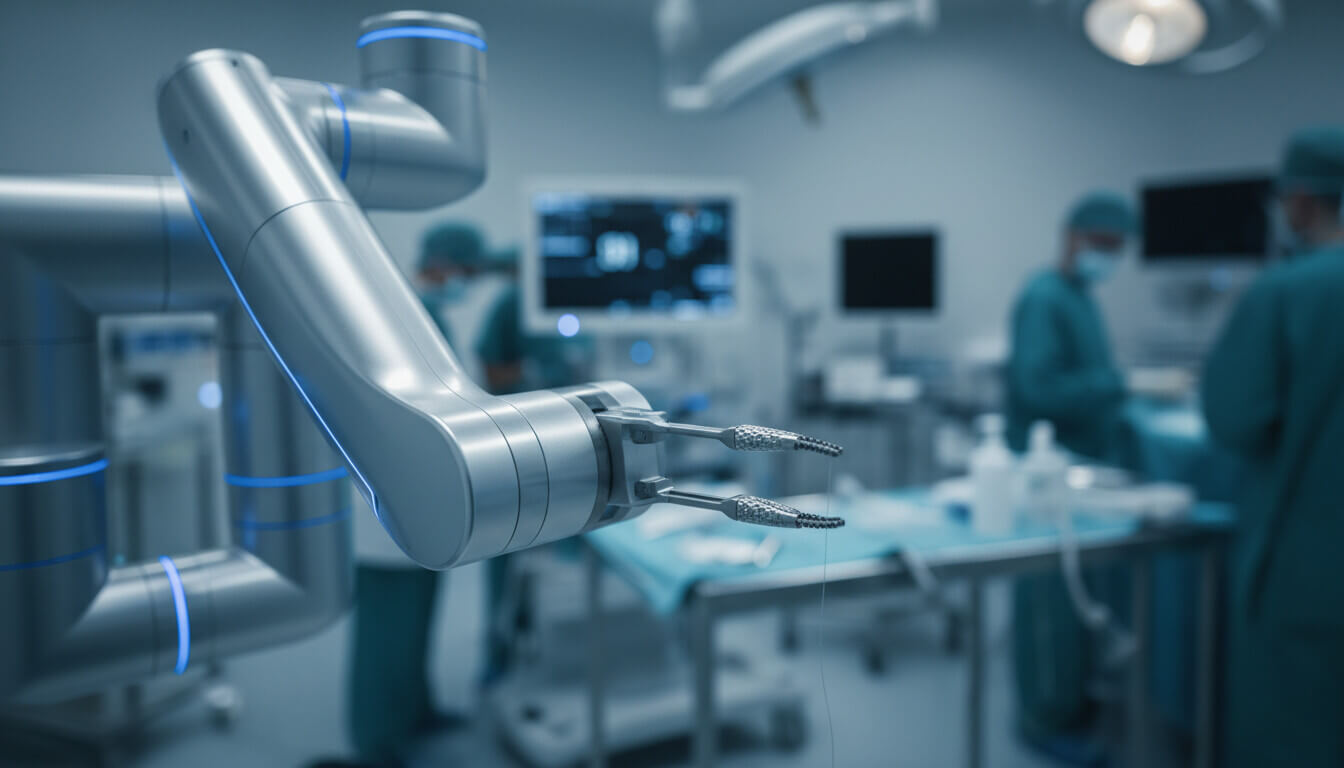
Robotic-assisted hernia surgery can be a strong option for selected patients, but it is not automatically “better” for every hernia. Robotic hernia repair is a minimally invasive approach that uses small incisions, a high-definition 3D view, and wristed instruments that allow precise movement during hernia repair. For some patients, minimally invasive hernia surgery may be associated with smaller incisions, less wound disruption, lower infection risk, shorter hospital stay, and a faster return to daily activity compared with traditional open repair. The American College of Surgeons notes that laparoscopic and robotic ventral hernia repairs may have lower infection rates and shorter hospital stays compared with open repair.
However, open hernia repair remains an important and sometimes preferred option, especially for certain large hernias, complex abdominal wall hernias, recurrent hernias, emergency hernias, or cases where prior surgery, scar tissue, anatomy, or medical risk makes open surgery safer. Cleveland Clinic describes robotic hernia repair as a minimally invasive option, but also notes that all hernia surgeries carry risks and that the hernia can recur.
Dr. Astha Bhatt, MD evaluates each patient’s hernia type, symptoms, size, prior surgical history, tissue quality, and overall health before recommending open hernia repair, laparoscopic hernia repair, or robotic hernia surgery. The best approach is the one that provides the safest, most appropriate, and most durable repair for your specific hernia.
Surgical mesh is commonly used in many adult hernia repair surgeries to reinforce the weakened area of the abdominal wall and reduce the risk of the hernia coming back. Mesh may be recommended for inguinal hernias, ventral hernias, incisional hernias, recurrent hernias, and some umbilical hernias, depending on the hernia size, location, tissue strength, and patient-specific risk factors. The American College of Surgeons notes that mesh is often used for larger hernia repairs and may reduce recurrence risk.
Mesh is generally considered safe when used appropriately, but it is not needed for every hernia repair. Like any surgical material, mesh has potential risks, including pain, infection, adhesions, fluid collection, recurrence, mesh movement, or mesh contraction. The FDA lists pain, infection, recurrence, adhesions, obstruction, bleeding, seroma, fistula, and perforation among possible adverse events after hernia repair, with or without mesh, and notes that mesh-specific issues can include migration or shrinkage.
Dr. Astha Bhatt, MD evaluates each patient carefully before recommending mesh or non-mesh hernia repair. Her decision is based on the hernia type, defect size, location, tissue quality, prior surgery, infection risk, medical history, activity level, and recurrence risk. During your hernia surgery consultation, Dr. Bhatt will explain why mesh may or may not be recommended and which approach—open hernia repair, laparoscopic hernia repair, or robotic hernia repair—may be safest for your specific condition.
Recovery after hernia surgery depends on the type of hernia, the size of the repair, whether mesh is used, the surgical approach, and the patient’s overall health. Many patients go home the same day or within 24 hours after a small hernia repair, while larger, recurrent, or complex abdominal wall hernias may require a longer recovery plan. The American College of Surgeons notes that small hernia repairs may go home within 24 hours, while complex repairs may need a longer stay.
Most patients are encouraged to walk soon after surgery to support circulation and reduce stiffness. Light activity is often resumed gradually, but heavy lifting, strenuous exercise, and core-focused activity are usually restricted until the surgeon clears the patient. Cleveland Clinic notes that light exercise, such as walking, may begin the day after hernia repair, while strenuous activity may be restricted for several weeks depending on the repair.
Pain is usually most noticeable during the first few days and often improves steadily with a personalized pain-control plan. Recovery instructions may include wound care, constipation prevention, lifting limits, driving guidance, return-to-work timing, and follow-up visits. Dr. Astha Bhatt provides individualized postoperative instructions based on whether the patient had open hernia repair, laparoscopic hernia repair, robotic hernia surgery, inguinal hernia repair, umbilical hernia repair, ventral hernia repair, or incisional hernia repair.
Call your surgeon promptly if you develop severe or worsening pain, fever, chills, increasing redness, drainage or odor from the incision, vomiting, abdominal swelling, or inability to have a bowel movement. These symptoms may need medical evaluation after hernia repair surgery. The American College of Surgeons lists severe pain, stomach cramping, high fever, increased drainage or odor from the incision, and no bowel movement for several days as reasons to contact the surgeon
Your initial hernia consultation with Dr. Astha Bhatt, MD is focused on understanding your symptoms, confirming the diagnosis, and helping you feel comfortable with your next steps. Dr. Bhatt will review your medical history, prior abdominal surgeries, medications, activity level, and symptoms such as a groin bulge, belly button bulge, abdominal wall swelling, pain, pressure, or discomfort with lifting, coughing, standing, or exercise.
During the visit, Dr. Bhatt will usually perform a focused physical examination of the hernia area. For many groin hernias, a physical exam is often enough to make the diagnosis, although imaging may be ordered when the hernia is difficult to feel, symptoms are unclear, or surgical planning requires more detail. Imaging may include ultrasound, CT scan, or MRI depending on the type and complexity of the hernia.
After the evaluation, Dr. Bhatt will explain your hernia repair options in clear, patient-friendly language. Depending on your hernia type, symptoms, size, medical history, and recovery goals, she may discuss watchful monitoring, lifestyle guidance, open hernia repair, laparoscopic hernia repair, or robotic hernia surgery. The goal is to help you make an informed decision about the safest and most appropriate treatment plan for your specific hernia.
While surgical techniques and the use of mesh greatly minimize recurrence rates, you can take active steps to support your long-term recovery:
An incisional hernia occurs at the site of a past surgical scar where the abdominal wall muscles did not fully close or weakened over time. These hernias require careful, detailed surgical planning because the area often contains scar tissue, internal adhesions, or remnants of previous surgical materials. Dr. Bhatt utilizes her extensive background in complex abdominal wall reconstruction to carefully safely release adhesions and repair the defect, frequently using advanced robotic techniques to minimize further scarring and support a strong, comfortable recovery.
If you have a groin bulge, belly button hernia, abdominal wall bulge, or swelling near a prior surgical incision, Dr. Astha Bhatt can help you understand your next steps. A private hernia consultation can clarify whether monitoring, imaging, open hernia repair, laparoscopic hernia surgery, or robotic hernia repair may be appropriate.

Private evaluation for groin hernias, belly button hernias, abdominal wall hernias, incisional hernias, and recurrent hernias.

Dr. Bhatt reviews your symptoms, exam findings, prior surgery history, and whether imaging or surgery may be needed.

Evaluation for open, laparoscopic, or robotic hernia repair when symptoms, hernia size, or risk factors suggest surgery may be appropriate.

Serving Fort Lauderdale, Pompano Beach, Coral Springs, Davie, Plantation, Weston, Deerfield Beach, Boca Raton, and nearby communities.
Insured and self-pay patients are welcome. Our team can help review coverage and scheduling details before your visit.

Our office can help review insurance benefits, referral needs, and facility requirements before hernia repair surgery.

Hernia evaluation and hernia repair surgery should be accessible and clearly explained. Major insurance plans and self-pay options may be available for hernia consultations, diagnostic evaluation, open hernia repair, laparoscopic hernia surgery, and robotic hernia repair when medically appropriate. Coverage may vary by plan, diagnosis, procedure, and surgical facility.
Medicare
Blue Cross Blue Shield
Cigna
Florida Blue
+ Self Pay Options