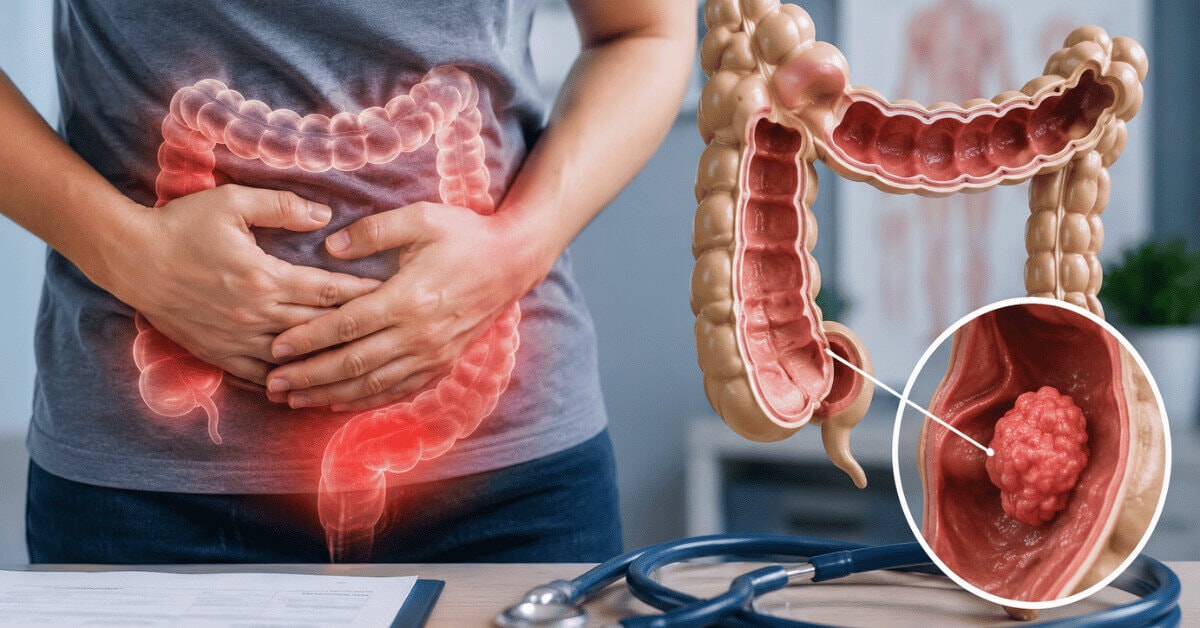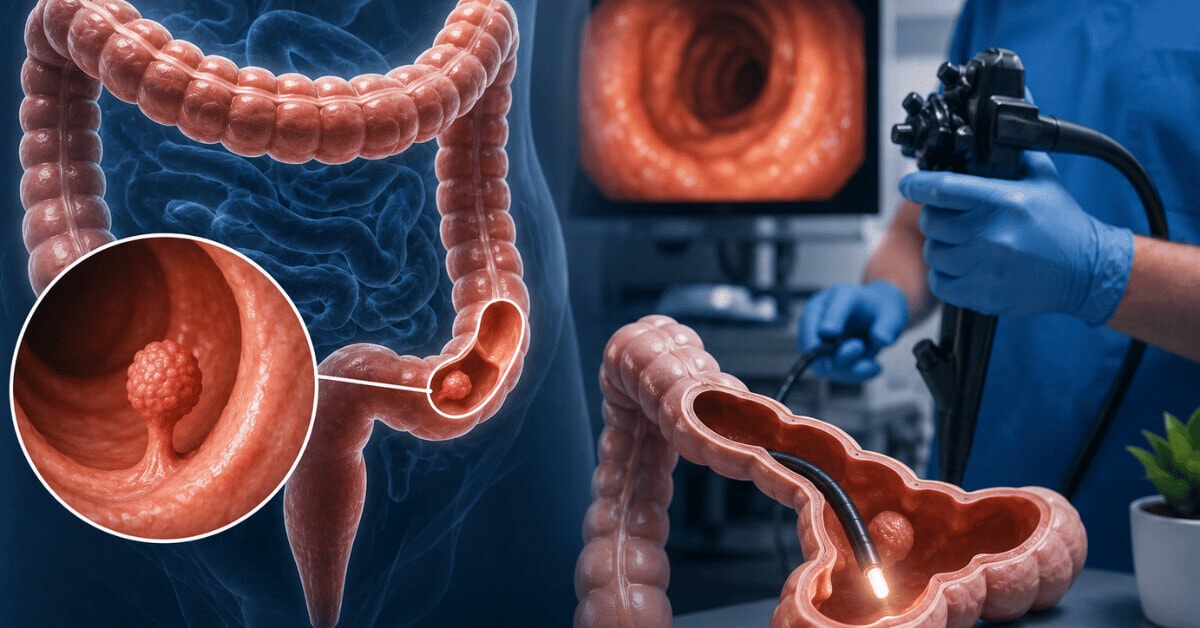


An anal fistula is a small tunnel that develops between the inside of the anal canal and the skin just outside the anus. It tends to form when an anal abscess fails to heal properly, in most cases. People with this condition often deal with discharge, pain, swelling, skin irritation, and infections that keep returning. The problem is that an anal fistula almost never heals on its own, which means treatment is usually unavoidable.
Depending on how the fistula appears and where it is located, a surgeon may recommend fistulotomy, seton placement, the LIFT procedure, or another surgical approach. Catching it early and getting the right specialist involved makes a real difference in how well and how quickly a person recovers.
What is an Anal Fistula?
Think of an anal fistula as a tunnel the body accidentally creates. It runs from an infected gland inside the anal canal out to the skin near the anus. This almost always happens after an anal abscess. The abscess drains, but instead of healing cleanly, it leaves a channel behind. That channel keeps getting infected and keeps causing trouble.
What Causes an Anal Fistula?
Previous Anal Abscess
This is the most common starting point. An infection develops in one of the small glands inside the anal canal. It becomes an abscess. The abscess drains, but a tunnel remains. That leftover tunnel is the fistula. Research shows that roughly 30% to 50% of anal abscesses eventually develop into an anal fistula.
Crohn’s Disease
People living with Crohn’s disease have an above-average risk of developing anal fistulas. The inflammation associated with Crohn’s can lead to inflammation of the surrounding tissue and increase the risk of fistula formation.
Infection and Inflammation
A fistula can also result from trauma, radiation or specific inflammatory diseases. These are less common reasons, but they do happen.
Common Symptoms of an Anal Fistula
Some of the common symptoms of Anal Fistula includes:
- Persistent Drainage
- Pain and Discomfort
- Recurrent Swelling and Abscesses
- Skin Irritation
How Is an Anal Fistula Diagnosed?
A colorectal specialist will start by asking about symptoms and doing a physical examination. Often, they can spot the fistula’s external opening during that first visit.
When more information is needed, they may order the following:
- Anoscopy
- Endoanal ultrasound
- MRI scans
- Examination under anesthesia
Anal Fistula Treatment Options
Medical Management
Antibiotics can calm down an active infection, but they cannot close the fistula. Medication is mostly used to prepare patients for surgery or to manage symptoms in people with Crohn’s disease who need a more careful approach.
Fistulotomy
For straightforward fistulas, this is the procedure surgeons reach for first. The tract is cut open along its entire length so it can heal from the inside out, like a wound healing from the bottom up rather than closing over at the top.
Seton Placement
If the fistula extends through a large portion of the sphincter muscle, opening the tunnel is a dangerous procedure. The seton, a thin surgical thread or loop, is inserted into the tract in place. It maintains a well-drained area while also minimizing infection without putting the surrounding muscles at risk.
LIFT Procedure
For more complicated cases in which preservation of the function of the sphincter is important, the Ligation of Intersphincteric Fistula Tract (LIFT) procedure is performed. The surgeon ties off the fistula tract between the sphincter muscles and removes the infected tissue on the inner side.
Advancement Flap procedure
For patients with multiple fistulas or those that travel above the sphincter muscle, you may need a flap procedure that involves removing the internal opening , closing the tunnel underneath and covering it with healthy rectal tissue.
Conclusion
An anal fistula is not something to put off or push through. It impacts comfort, daily activities, and quality of life, which can take a toll over time. The positive side of the story is that there are treatment options available today, ranging from the more basic outpatient procedures to more advanced surgical techniques.
For those with a strong interest in specialized, high-level care, the Colorectal MD clinic team will provide comprehensive diagnostic and surgical treatment for anal fistulas for patients based in Florida. They evaluate each patient and develop treatment strategies tailored to the individual’s specific condition, with the goal of lasting improvement and better colorectal health.