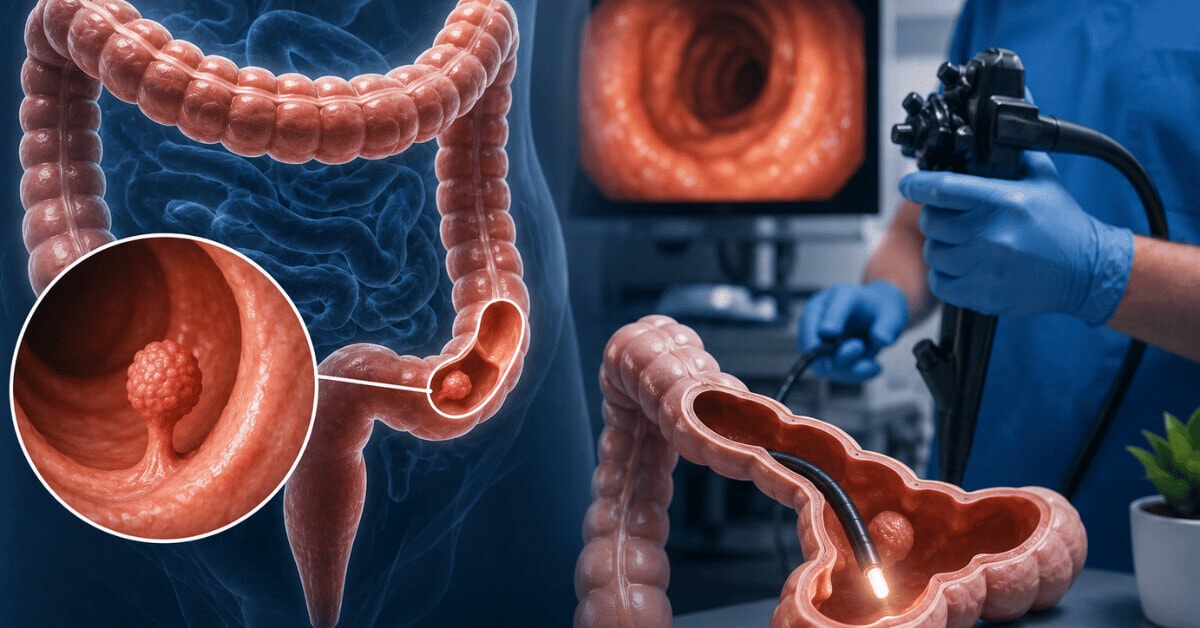

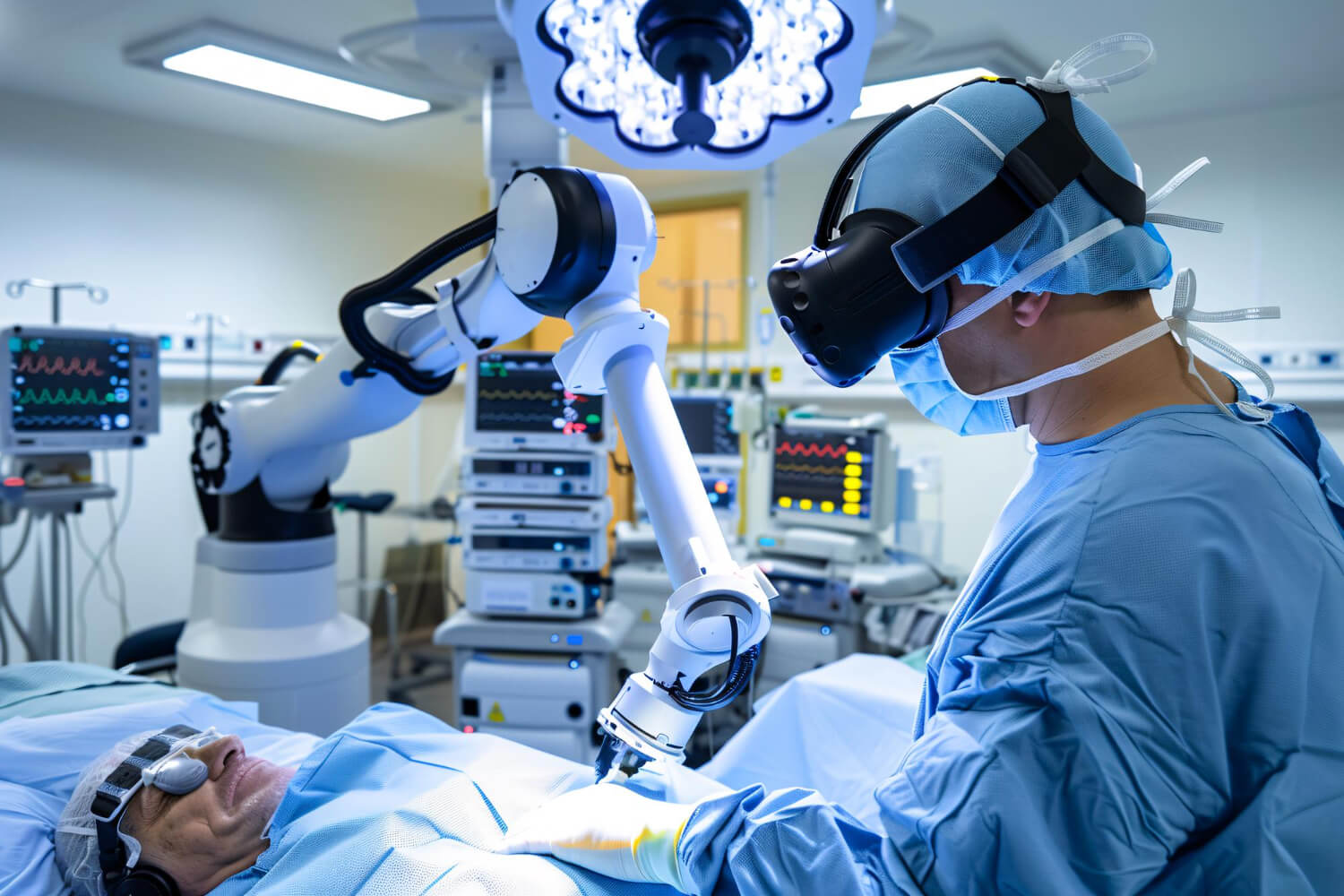
New advancement in Robotic Colon and Rectal Surgery
Robotic colon and rectal surgery is a cutting-edge procedure utilized by colorectal surgeons to treat a variety of colon and rectal problems such as cancer, diverticulitis, and inflammatory bowel disease. This minimally invasive approach employs a robotic technology, such as the da Vinci Surgical technology, which offers higher accuracy, flexibility, and control than standard laparoscopic surgery. The surgeon controls the robotic arms via a console, which transforms their hand movements into smaller, more accurate actions of the surgical tools. This increased accuracy is especially useful in sensitive locations like the pelvis, where room is limited and the systems are intricate.
Patients who undergo robotic colon and rectal surgery frequently benefit from various advantages over traditional open surgery. Smaller incisions mean less postoperative pain, a lower chance of infection, and faster recovery times. Furthermore, the accuracy of robotic surgery can result in superior clinical results, such as fewer problems and greater preservation of bowel and urine functions. As a consequence, patients might expect a shorter hospital stay and quicker return to routine activities. Overall, robotic colon and rectal surgery is a significant improvement in the field of colorectal surgery, providing patients with a safer and more successful treatment alternative.
How Colorectal Surgeons Use Robots During a Colon and Rectal Surgery
During colon and rectal surgery, colorectal surgeons employ robotic systems to enhance their surgical precision and efficiency. Utilizing a console located within the operating room, the surgeon controls robotic arms equipped with specialized instruments. These instruments, inserted through small incisions in the patient’s abdomen, replicate the surgeon’s hand movements with heightened dexterity and a broader range of motion. A high-definition camera mounted on one of the robotic arms provides a detailed, three-dimensional view of the surgical site, facilitating meticulous dissection and suturing. This advanced visualization capability enables the surgeon to navigate complex anatomy with greater ease and accuracy, crucial for procedures such as colectomies (colon removal), rectal resections, and rectopexies. By minimizing trauma to surrounding tissues and reducing post-operative complications, robotic assistance in colon and rectal surgery promotes faster recovery times and shorter hospital stays for patients, all while maintaining rigorous safety standards under continuous monitoring by the surgical team.
What does minimally invasive for Colon and Rectal Surgery mean?
Minimally invasive robotic colon and rectal surgery is a significant improvement in colorectal surgery, providing a refined method to treating a variety of colon and rectal disorders, including colorectal cancer, diverticulitis, and inflammatory bowel disease. This approach uses a robotic surgical system, such as the da Vinci Surgical System, to improve the surgeon’s ability to conduct difficult procedures with more accuracy and control. The robotic system is made up of many critical components, including robotic arms outfitted with surgical equipment and a high-definition, three-dimensional camera. The surgeon controls these equipment from a console, transforming hand gestures into precise actions within the patient’s body.
Minimally invasive surgery enables your surgeon to utilize procedures that reduce the size and number of cuts, or incisions, required. It is generally regarded safer than open surgery. You’ll generally recover faster, spend less time in the hospital, and be more comfortable while you’re healing.
- In traditional open surgery, your surgeon makes a single huge cut to see the area of your body that they are operating on. In minimally invasive surgery, your surgeon inserts small instruments, cameras, and lights via multiple tiny wounds in your skin. This permits your surgeon to do surgery without exposing a large amount of skin and muscle.
What is the da Vinci XI Robotic Surgical System?
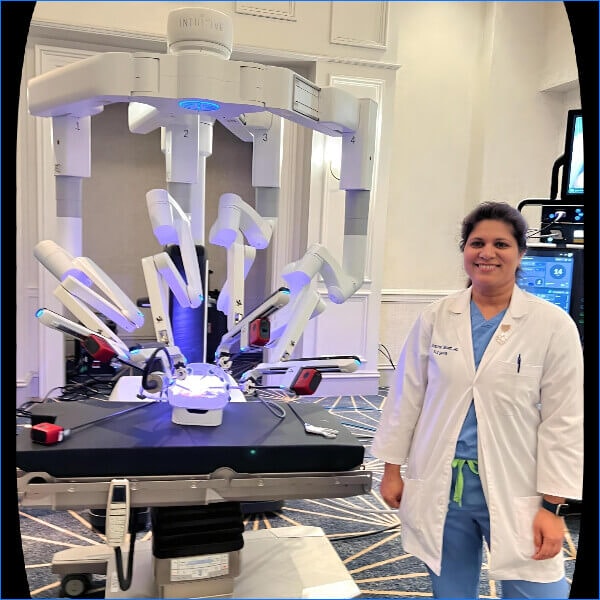
Intuitive Surgical created the da Vinci Xi Robotic Surgical System™, a minimally invasive platform for complicated surgeries. It is one of the most recent incarnations of the da Vinci Surgical Systems, which are noted for its accuracy, flexibility, and control during surgical operations. The technology is used in a variety of specialties, including colorectal, gynecologic, urologic, and colorectal surgery, allowing surgeons to conduct complex procedures with more precision.
The da Vinci XI™ robot comprises three primary components: the surgeon console, vision tower, and patient side cart. A camera allows the surgeon to see the region they are operating in. The surgeon performs the surgery using agile robotic arms and equipment.
How is Robot-Assisted Surgery for colon and rectal surgery is Performed?
Robot-assisted colon and rectal surgery uses modern robotic technology to execute difficult procedures with greater precision and control. The procedure begins with the patient being placed on the operating table and prepped for surgery. Trocars are inserted through small incisions in the belly, allowing the entry of robotic equipment and a high-definition 3D camera. The robotic system, such as the da Vinci Surgical System, is then connected to the trocars. The surgeon operates from a nearby console, controlling the robotic arms and equipment with hand and foot controls. The high-definition camera gives a magnified, three-dimensional picture of the surgical area, allowing the surgeon to conduct complex movements more accurately.
During the surgery, robotic arms are utilized to gently slice and resect the afflicted section of the colon or rectum while conserving adjacent tissues and structures. If required, the remaining pieces of the colon or rectum are rejoined with robotic devices. The robotic system’s precise control and increased visibility aid to lessen tissue damage and the risk of complications. Following surgery, the equipment and trocars are removed, and the tiny incisions are closed. The patient is subsequently watched in the recovery room and provided with postoperative care, including pain management.
Patients Success for Robot-Assisted Surgery for Colon and Rectal Treatment
Patients who underwent robotic colon and rectal surgery had much better results than those who had conventional surgery. The success may be linked to a number of features inherent in the robotic technique, including increased accuracy, shorter recovery periods, and decreased complications.
- Functional outcomes: This focuses on retaining normal bowel function following surgery, which is especially important for rectal cancer. Studies have not shown a significant difference in long-term functional results between robotic and laparoscopic (another minimally invasive) surgery, however other research shows that robotic surgery may result in a reduced positive circumferential resection margin (CRM), which can affect bowel control.
- Robotic surgery has been connected with fewer surgical complications. The robotic system’s greater accuracy and control lower the chance of unintended harm to surrounding tissues and organs, resulting in fewer postoperative problems. This leads to a decreased risk of infection, hernias, and other complications associated with big surgical incisions. Furthermore, increased vision and dexterity assist assure more complete and successful treatment of the underlying problem, which can lead to better long-term health outcomes and greater overall quality of life for patients.
What are the Latest advancement in Robotic Colon and Rectal Surgery
Recent advances in robotic colon and rectal surgery have greatly improved the capabilities and results of minimally invasive treatments in this field. These advances include advancements in robotic systems, surgical procedures, and the incorporation of modern technology like as artificial intelligence and augmented reality.
- Enhanced Robotic System with Newer robotic platforms, such as the da Vinci Xi Surgical System™, provide more dexterity, precision, and control. These technologies improve visibility with high-definition 3D cameras, giving surgeons a sharper and more comprehensive picture of the operating region. Furthermore, the robotic arms have a greater range of motion and better access to difficult-to-reach places, making complex operations easier to complete. The use of modern imaging technologies, such as fluorescence imaging, allows for greater visibility of blood vessels and tissue perfusion, enhancing dissection accuracy and lowering the risk of complications.
- Augmented Reality (AR) and Virtual Reality (VR): These technologies are being used in robotic colon and rectal surgery to improve preoperative planning, surgical training, and intraoperative guiding. AR can overlay essential information, like as blood vessels and tumor borders, into the surgeon’s field of view during surgery, allowing for more precise and informed decision-making. VR, on the other hand, offers immersive training settings in which surgeons may practice and improve their abilities in a controlled setting. These technologies help improve communication and collaboration among surgical teams, resulting in more efficient and effective procedures.
what are the benefits of robotic assisted colon and rectal surgery?
Robotic colon and rectal surgery has significant advantages over traditional open and even basic laparoscopic surgery. These benefits derive from the sophisticated technology utilized in robotic systems such as the da Vinci Surgical System, which increases surgeon capabilities and patient outcomes. The robotic approach allows surgeons to carefully dissect rectal tumors while potentially decreasing nerve harm. According to a recent study, robot-assisted operations are less likely to require open procedures than laparoscopic colorectal procedures. The benefits for the patient may include:
- Reduced pain and trauma in the body
- Less blood loss.
- Less post-operative pain
- Shorter hospital stays
- Quicker healing and return to work.
- Less scarring.
- A more precise operation.
- More precise surgery: Robotic arms may be extremely accurate, allowing surgeons to conduct more difficult surgeries with more precision. This is especially useful during rectal cancer surgery, when it is critical to protect the nerves that govern bowel function.
Robot-assisted surgery has several advantages for colorectal cancer therapy. Compared to standard open surgery, some of the advantages include:
- Robotic surgery allows for minimal incisions and a speedier return to normal daily activities.
- Increased magnification of the operation site to ten times its size, paired with readily moveable robotic arms and equipment, enables enhanced control and improved functional results.
- Reduced danger of blood loss, thereby reducing the need for blood transfusions.
- Spend less time under anesthesia.
- Minimal pain.
- Shorter hospital stay and quicker return to work.
- “Robot-assisted surgery has proven success in treating colorectal surgery,”